Table of Contents
ToggleThe Mediterranean diet for PCOS is more than a dietary trend; it’s a comprehensive, evidence-based approach designed to manage symptoms, restore hormonal balance, and support sustainable weight loss. For the millions of women navigating the complexities of Polycystic Ovary Syndrome (PCOS), choosing the right diet can feel overwhelming. The endless cycle of restrictive plans, yo-yo dieting, and persistent cravings often leads to frustration and exhaustion. However, the Mediterranean diet stands apart. Rather than focusing on deprivation or calorie counting, it offers a nourishing and sustainable way to address PCOS from its root causes.
Unlike traditional diets, the Mediterranean approach emphasizes whole, nutrient-dense foods that promote overall well-being. Think vibrant vegetables, fresh fruits, whole grains, legumes, nuts, seeds, heart-healthy fats like olive oil, and lean proteins such as fish. These foods are not only delicious but also packed with anti-inflammatory properties and essential nutrients that directly support hormonal health — a critical benefit for women with PCOS. This is why healthcare professionals frequently recommend the Mediterranean diet as one of the best strategies for managing PCOS symptoms naturally and effectively.
Why Is Weight Loss Challenging with PCOS?
Losing weight with PCOS can feel like an uphill battle. This condition affects your hormones and metabolism in ways that make typical weight-loss strategies less effective. Understanding the root causes—like insulin resistance and hormonal imbalances—can empower you to take a more targeted approach to achieve your health goals.
What is Insulin Resistance?
Insulin resistance occurs when the body struggles to use insulin efficiently. As a result, the pancreas produces more insulin, leading to abdominal weight gain and increased male hormone production. This process exacerbates PCOS symptoms and makes weight loss particularly challenging.
The Role of Hormones in PCOS
PCOS involves hormonal imbalances affecting testosterone, estrogen, and progesterone. Elevated male hormones (androgens) levels contribute to stubborn weight gain, while irregular periods and other symptoms further complicate metabolic health. Addressing these imbalances is critical for effective weight loss.
Food as Medicine for PCOS
While medications such as birth control pills and metformin are commonly prescribed for PCOS, there’s a growing recognition of diet and lifestyle changes as powerful tools for managing symptoms naturally. Adopting a Mediterranean diet can improve insulin sensitivity, reduce inflammation, and promote sustainable weight management.
What makes the Mediterranean diet so effective for PCOS is its simplicity and flexibility. Unlike restrictive or complicated diets, it’s easy to follow and enjoyable. By focusing on real, whole foods, women with PCOS can create a sustainable eating pattern that supports hormonal balance without feeling deprived.
What You’ll Learn
In this guide, you’ll uncover how the Mediterranean diet addresses the unique challenges of PCOS and learn practical steps to integrate it into your lifestyle. Expect to explore:
- The science behind PCOS and why traditional diets often fail.
- Key Mediterranean foods that reduce inflammation and balance hormones.
- Meal planning tips to make the Mediterranean diet effortless and enjoyable.
The Mediterranean diet for PCOS isn’t just a diet; it’s a lifestyle. With its focus on balance, nourishment, and long-term health, it offers women with PCOS a realistic and effective way to reclaim control of their health and weight. Let’s explore how this approach can work in real life.
Understanding PCOS and Its Challenges
What is PCOS?
Polycystic Ovary Syndrome (PCOS) is a hormonal condition that affects approximately 10% of women of reproductive age worldwide. It was officially renamed PMOS in 2026 — polyendocrine metabolic ovarian syndrome — largely because the old name was misleading. Its name suggests a direct link to ovarian cysts, but not all women with PCOS have these cysts. Instead, PCOS is primarily defined by three key features:
- Irregular menstrual cycles (fewer than eight periods annually)
- Elevated androgen levels, causing symptoms like acne, excess facial and body hair, and scalp hair thinning
- Polycystic ovaries, marked by multiple small, fluid-filled sacs seen during an ultrasound
PCOS extends beyond reproductive health, affecting metabolic well-being. Many women experience abdominal weight gain, difficulty losing weight, and a heightened risk of insulin resistance, prediabetes, and type 2 diabetes. Emotional health is also affected, with mood swings, anxiety, and depression often linked to hormonal fluctuations.
PCOS is considered multifactorial, involving genetic predispositions, environmental factors, and lifestyle influences. However, focusing on lifestyle changes—particularly dietary adjustments and regular physical activity—can help manage symptoms effectively without requiring drastic interventions.
The Role of Diet in Managing PCOS
Diet plays a pivotal role in managing PCOS by targeting its root causes, including insulin resistance, inflammation, and hormonal imbalances. Eating whole, nutrient-dense foods can improve symptoms and overall well-being for women with PCOS.
The Mediterranean diet for PCOS is a standout choice because it addresses these issues from several angles at once:
- Insulin Resistance
- Inflammation
- Hormonal Balance
Fiber-rich foods like vegetables, legumes, and whole grains help stabilize blood sugar levels and improve insulin sensitivity
Anti-inflammatory foods such as olive oil, fatty fish, and leafy greens reduce the chronic inflammation associated with PCOS
Nutrients like omega-3 fatty acids, magnesium, and antioxidants, abundant in the Mediterranean diet, support optimal hormone function
A 2019 study in Nutrients confirmed that women with PCOS who more closely followed a Mediterranean-style diet had better insulin sensitivity, lower androgen levels, and fewer inflammatory markers than those who didn’t — supporting the Mediterranean diet as a meaningful part of PCOS management.
This eating pattern avoids the pitfalls of high-sugar, processed foods that exacerbate blood sugar spikes. Instead, it emphasizes whole foods that promote steady energy, better metabolic health, and reduced symptoms, offering a natural and sustainable approach to PCOS management.
Why Conventional Diets Often Fail
Many women with PCOS turn to restrictive or fad diets in an attempt to lose weight quickly, but these approaches often fail to deliver long-term results. Here’s why:
-
 They Don’t Address Insulin Resistance
-
They Cause Hunger and Deprivation
-
They Eliminate Entire Food Groups
-
They Aren’t Sustainable

Restrictive diets may cause initial weight loss but fail to improve insulin sensitivity, leading to plateaus and persistent symptoms
Extreme calorie cuts leave women feeling unsatisfied, often triggering binge-eating episodes. In contrast, the Mediterranean diet includes nutrient-dense, satiating foods like nuts, seeds, and olive oil to prevent this cycle
Cutting carbs completely is unnecessary and counterproductive. Instead of sharp blood sugar spikes from refined carbs, the Mediterranean diet includes low-glycemic options like quinoa and legumes
Crash diets lack long-term viability, often resulting in weight regain. The Mediterranean diet, however, promotes gradual lifestyle changes, creating a foundation for lifelong health
By focusing on balanced, whole-food nutrition, the Mediterranean diet empowers women with PCOS to manage their symptoms effectively while enjoying a sustainable and nourishing way of eating.
What Makes the Mediterranean Diet Unique?
The Mediterranean diet for PCOS stands out from other dietary approaches because it’s more than a meal plan—it’s a sustainable lifestyle. Unlike restrictive diets that focus on calorie counting or food elimination, the Mediterranean diet emphasizes balance, enjoyment, and long-term health benefits. Rooted in the traditional eating habits of Mediterranean countries, this diet directly addresses key challenges of PCOS, such as insulin resistance, inflammation, and hormonal imbalance. Its nutrient-rich and anti-inflammatory components make it a particularly effective option for managing PCOS symptoms while promoting overall well-being.
Core Principles of the Mediterranean Diet
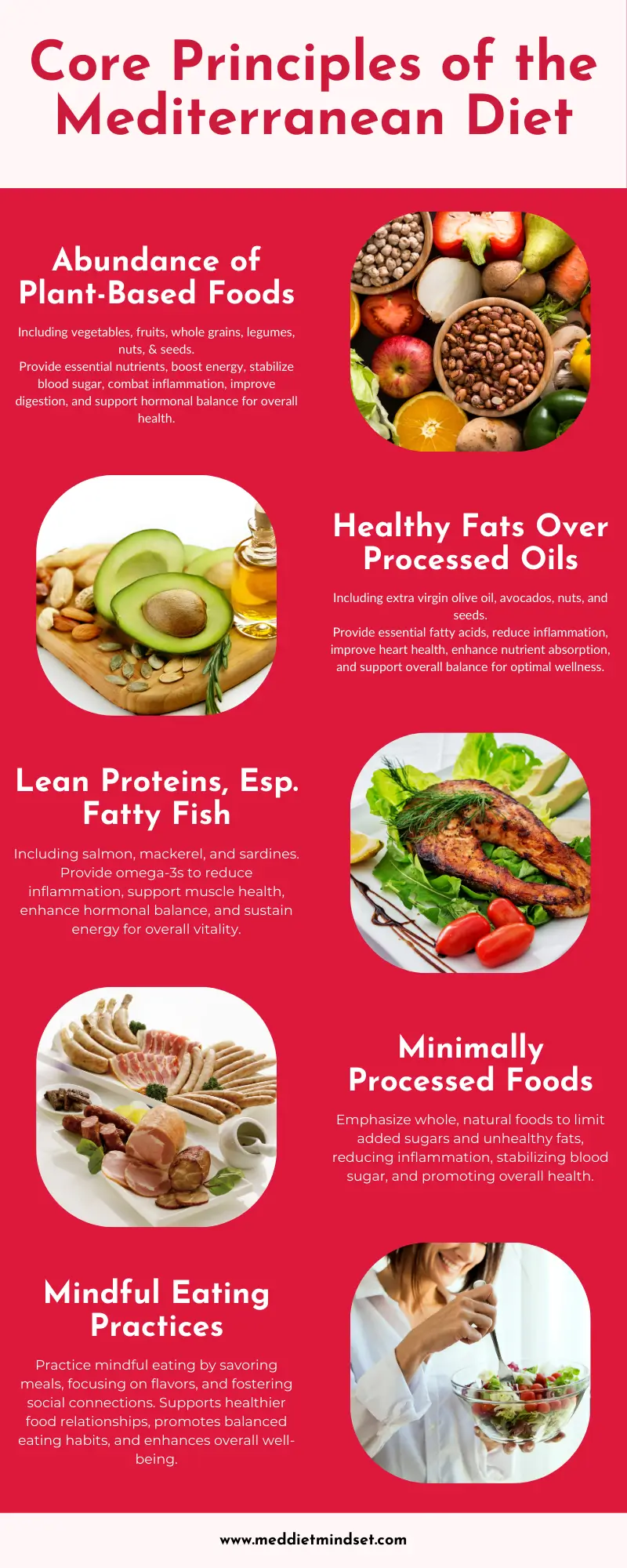
The Mediterranean diet for PCOS revolves around whole, minimally processed foods, making it both flexible and nutrient-dense. Instead of excluding food groups, it prioritizes variety and quality, allowing women with PCOS to nourish their bodies naturally while improving metabolic and hormonal health.
Abundance of Plant-Based Foods
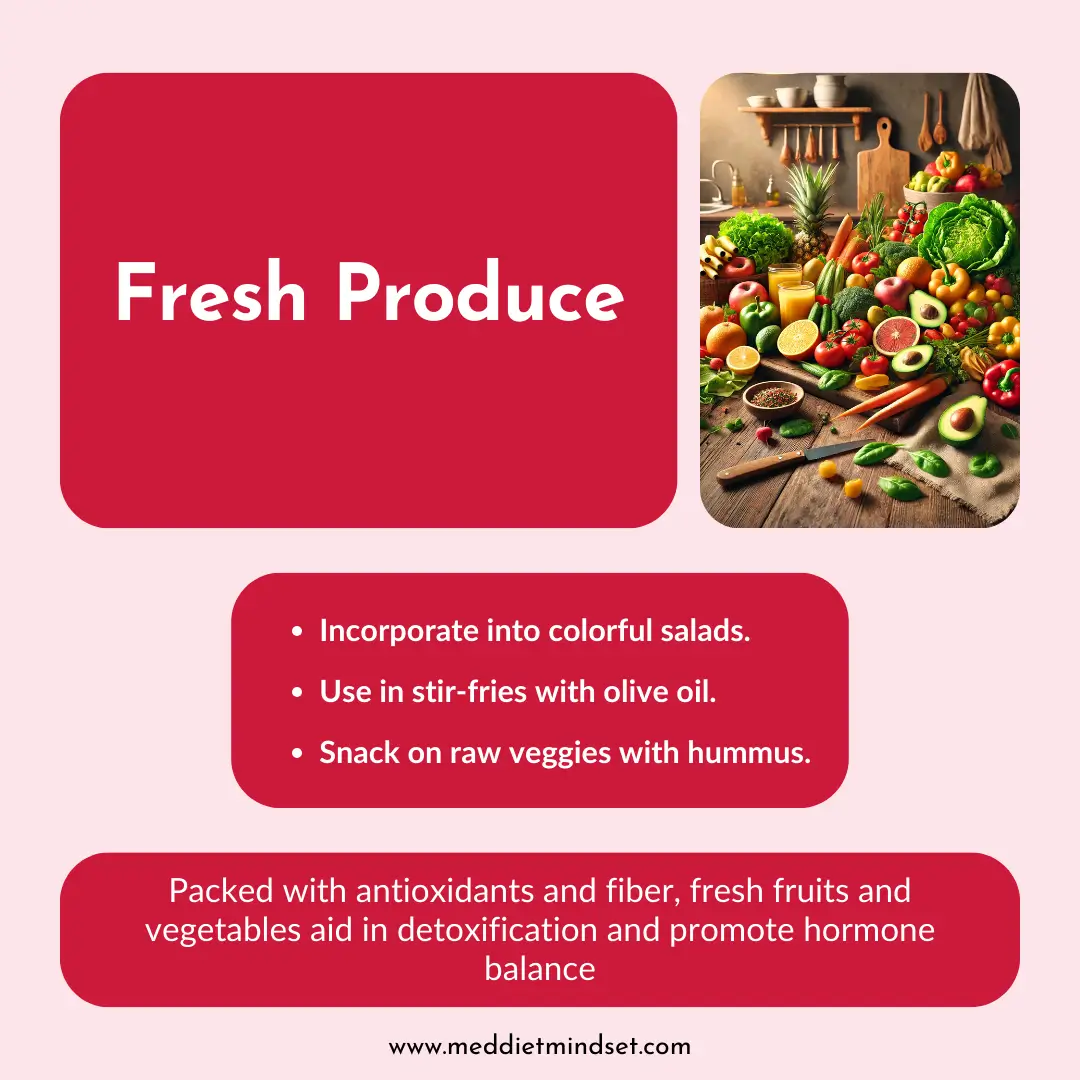
- Vegetables and Fruits: These form the foundation of every meal, offering antioxidants, fiber, and essential vitamins that combat inflammation and oxidative stress.
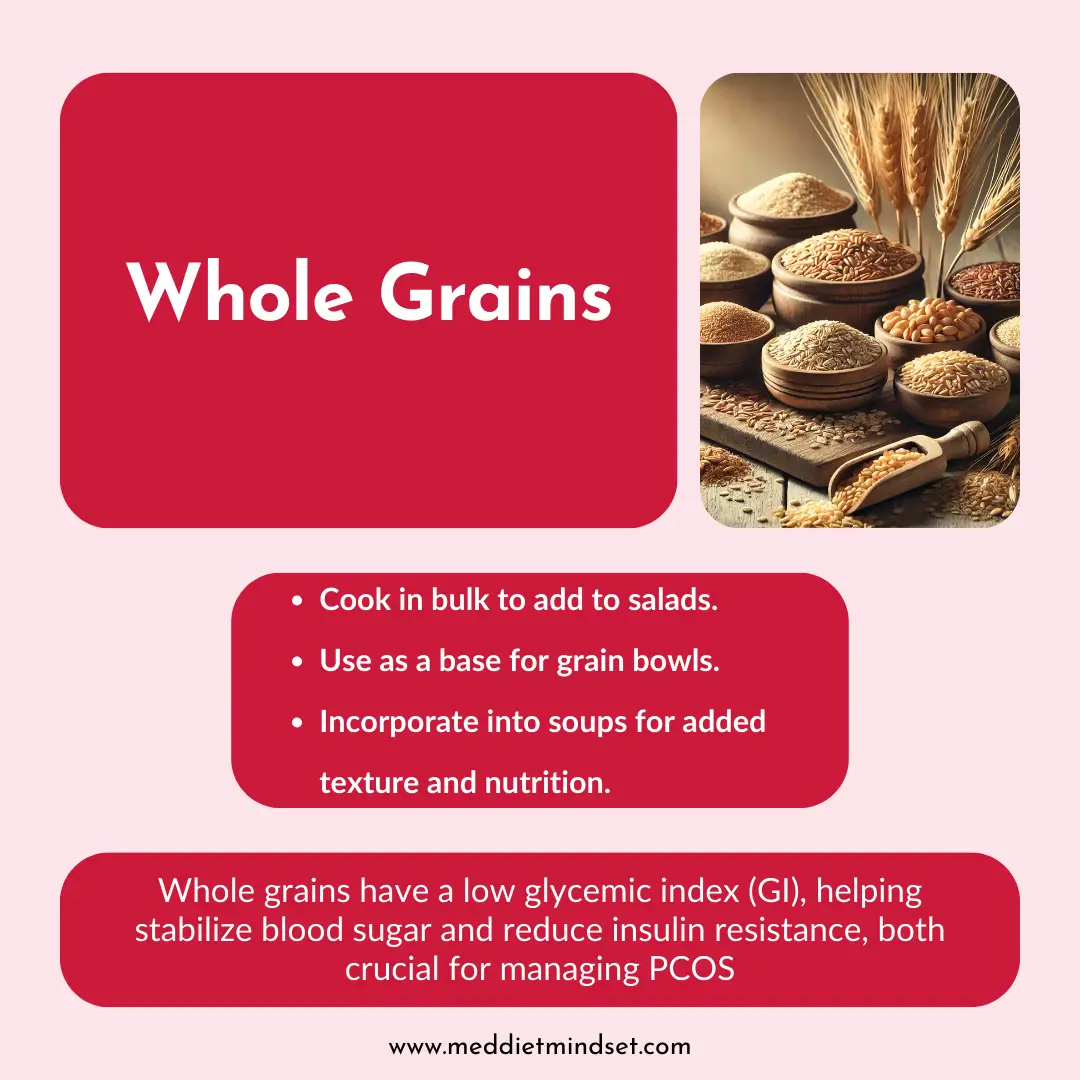
- Whole Grains: Options like quinoa, bulgur, and oats have a low glycemic index, helping stabilize blood sugar levels critical for managing insulin resistance.
- Legumes and Beans: Lentils and chickpeas provide plant-based protein and fiber, supporting blood sugar balance and sustained energy.
- Nuts and Seeds: Almonds, walnuts, chia seeds, and flaxseeds are rich in magnesium, which helps regulate cortisol and hormonal balance.
Healthy Fats Over Processed Oils
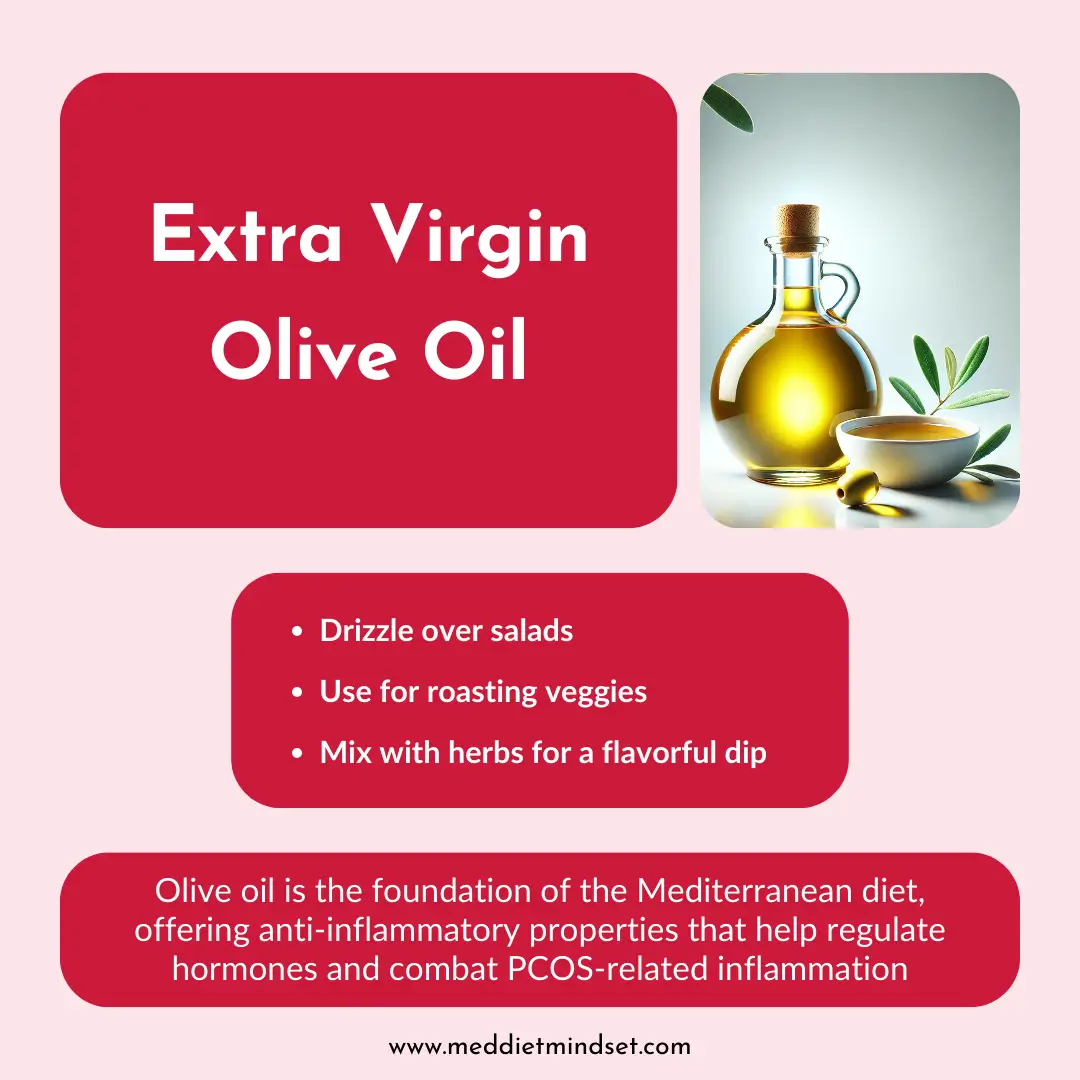
Extra virgin olive oil is a cornerstone of the Mediterranean diet. Its monounsaturated fats and polyphenols have powerful anti-inflammatory properties, reducing a root cause of PCOS symptoms.
Lean Proteins, Especially Fatty Fish
Fatty fish such as salmon, mackerel, and sardines are rich in omega-3 fatty acids, which help lower inflammation. This diet also incorporates plant-based proteins and lean options like chicken and yogurt.
Mindful Eating Practices
Mindful eating, a hallmark of the Mediterranean diet, helps reduce emotional and binge eating—common struggles for women with PCOS. Meals are an opportunity to savor flavors and connect with others, encouraging a healthier relationship with food.
Minimally Processed Foods
By focusing on whole, natural foods, the Mediterranean diet reduces exposure to added sugars and harmful fats, both of which can worsen insulin resistance and inflammation.
Each of these principles synergizes to address PCOS symptoms, from improving insulin sensitivity to restoring hormonal balance.
Anti-Inflammatory Benefits of the Mediterranean Diet for PCOS
PCOS is linked to chronic low-grade inflammation, which exacerbates insulin resistance and high androgen levels. The Mediterranean diet for PCOS naturally reduces inflammation with foods like:
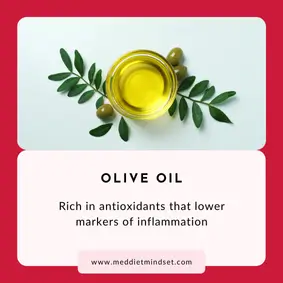
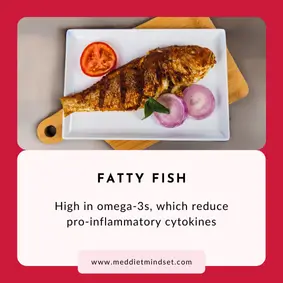

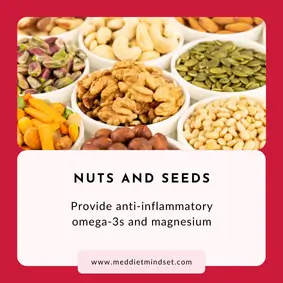
Lowering inflammation is crucial for improving insulin sensitivity, regulating cycles, and reducing androgen-related symptoms.
How the Mediterranean Diet Supports Hormonal Health
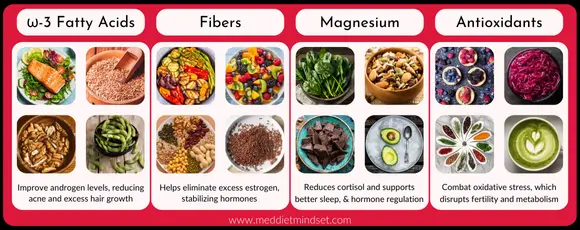
Hormonal imbalances are at the core of PCOS.
The Mediterranean diet for PCOS provides nutrients that promote hormonal balance.
By providing the right nutrients, the Mediterranean diet helps regulate menstrual cycles, improve mood, and manage PCOS symptoms effectively. The nutrients involved — omega-3s, magnesium, antioxidants — each play a role in how hormones are produced and cleared.
Top Mediterranean Foods for PCOS Management
Managing PCOS begins with mindful eating, and the Mediterranean diet for PCOS offers a balanced, sustainable approach to improve symptoms. Rooted in whole, nutrient-dense foods, the diet targets key factors like insulin resistance, inflammation, and hormonal imbalances, all of which are central to PCOS. Unlike restrictive diets, the Mediterranean approach prioritizes flavorful meals that nourish the body and support long-term health. Below, we highlight the best Mediterranean foods for PCOS management, focusing on their role in balancing hormones, regulating insulin levels, and offering PCOS-friendly meal ideas.
Best Foods for Balancing Hormones
Hormonal imbalances, such as elevated androgen levels, are a hallmark of PCOS. The Mediterranean diet includes specific foods that promote hormone balance through anti-inflammatory nutrients, antioxidants, and key vitamins.
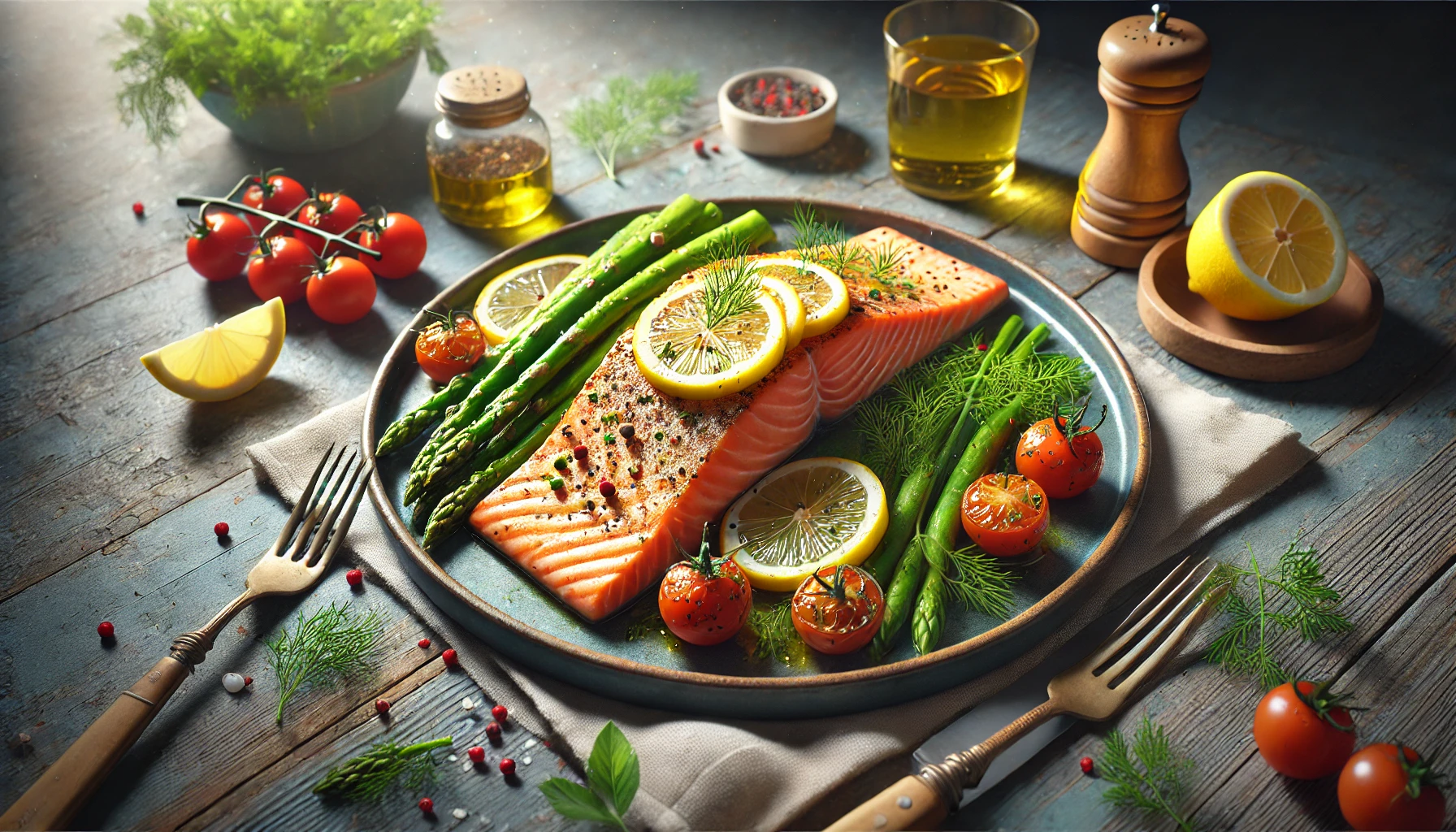
Fatty Fish
Rich in omega-3 fatty acids, these fish help lower inflammation — one of the drivers behind androgen-related symptoms like acne and hair thinning
How to Include
Add grilled salmon to salads, sardines to whole-grain toast, or mackerel to a hearty stew
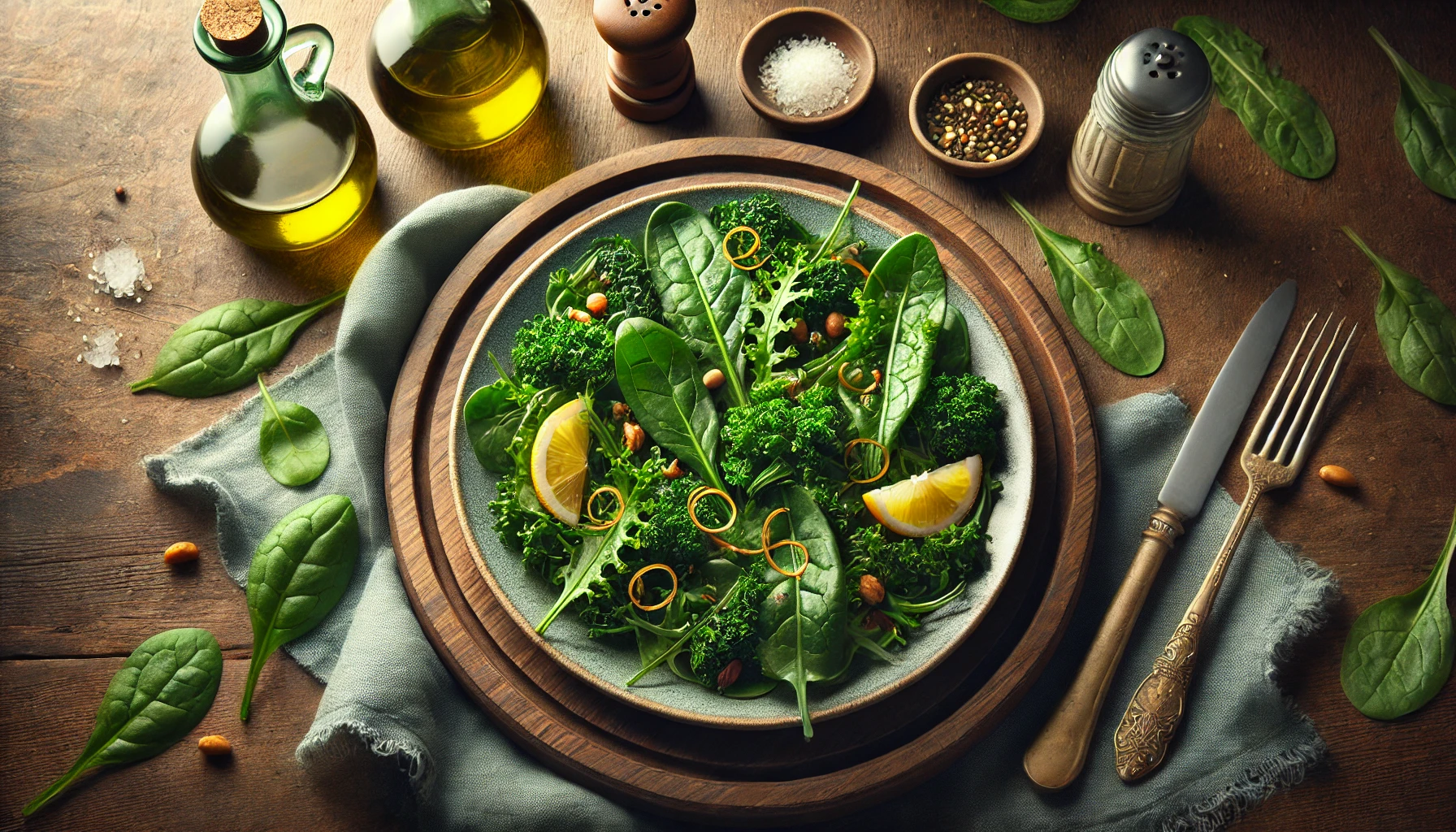
Leafy Greens
High in magnesium, folate, and vitamin C, leafy greens reduce cortisol and aid estrogen metabolism, both crucial for hormone balance
How to Include
Blend spinach into smoothies or sauté kale with garlic and olive oil for a nutritious side
Berries
Antioxidant-rich berries combat oxidative stress, a common contributor to hormonal imbalances

How to Include
Mix berries into Greek yogurt or oatmeal for a delicious, hormone-balancing snack
Foods That Help Regulate Insulin Levels
Insulin resistance is a key driver of PCOS symptoms, making blood sugar regulation essential. The Mediterranean diet for PCOS emphasizes low-glycemic, fiber-rich foods that improve insulin sensitivity and support steady energy levels.
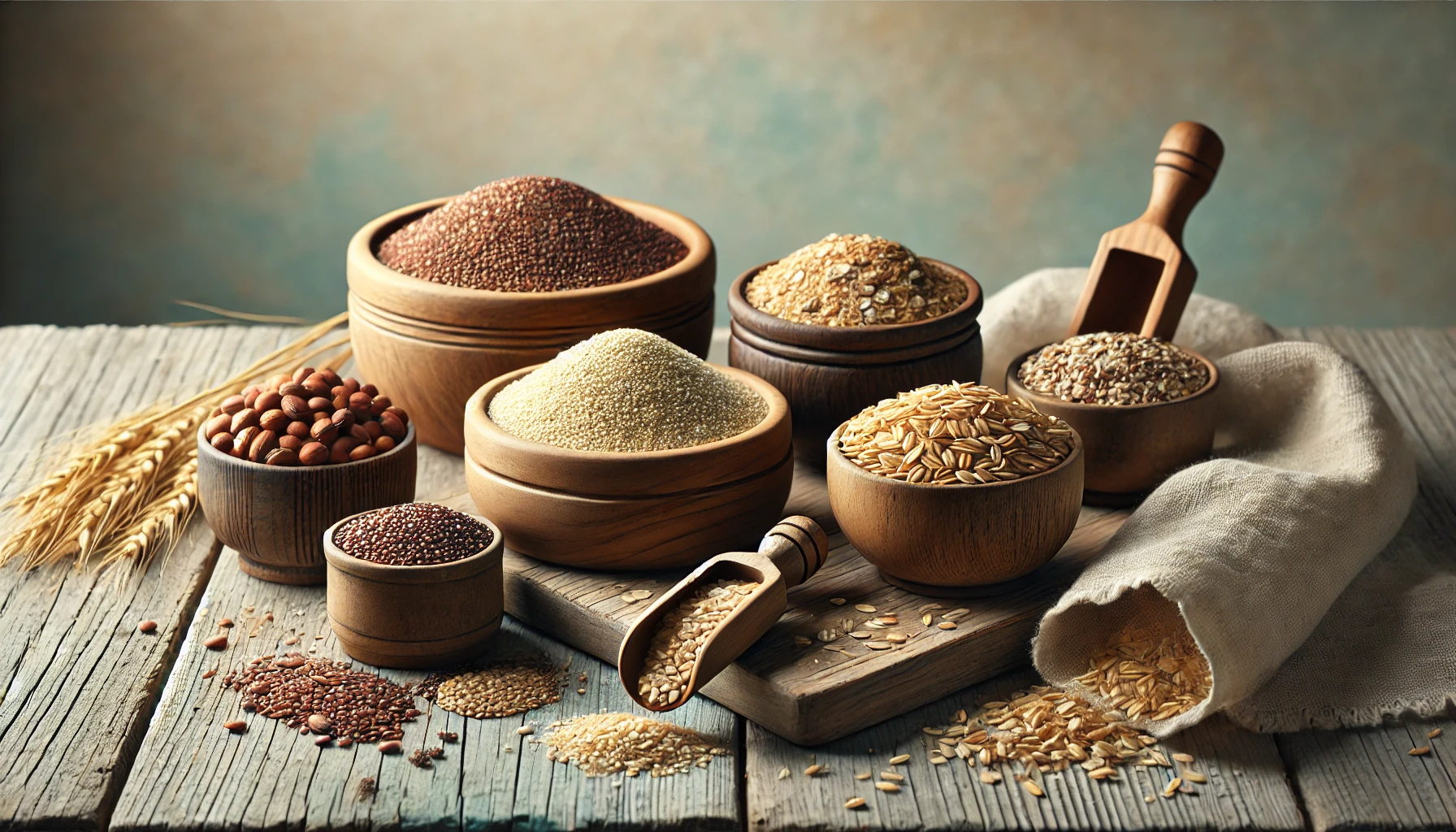
Whole Grains
Packed with fiber, whole grains stabilize blood sugar and reduce insulin spikes, enhancing metabolic health
How to Include
Use quinoa as a salad base or oats for breakfast with a sprinkle of nuts
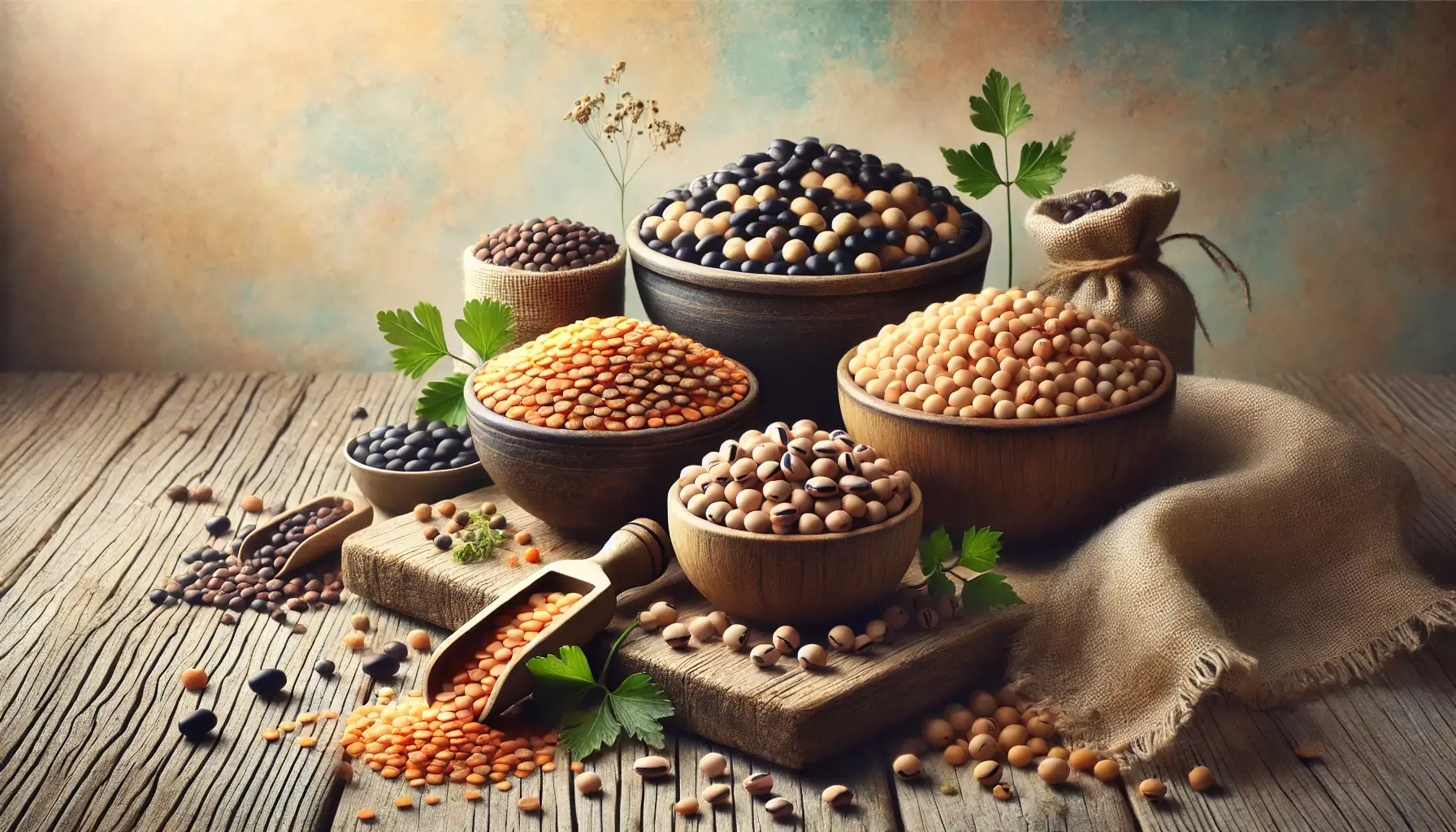
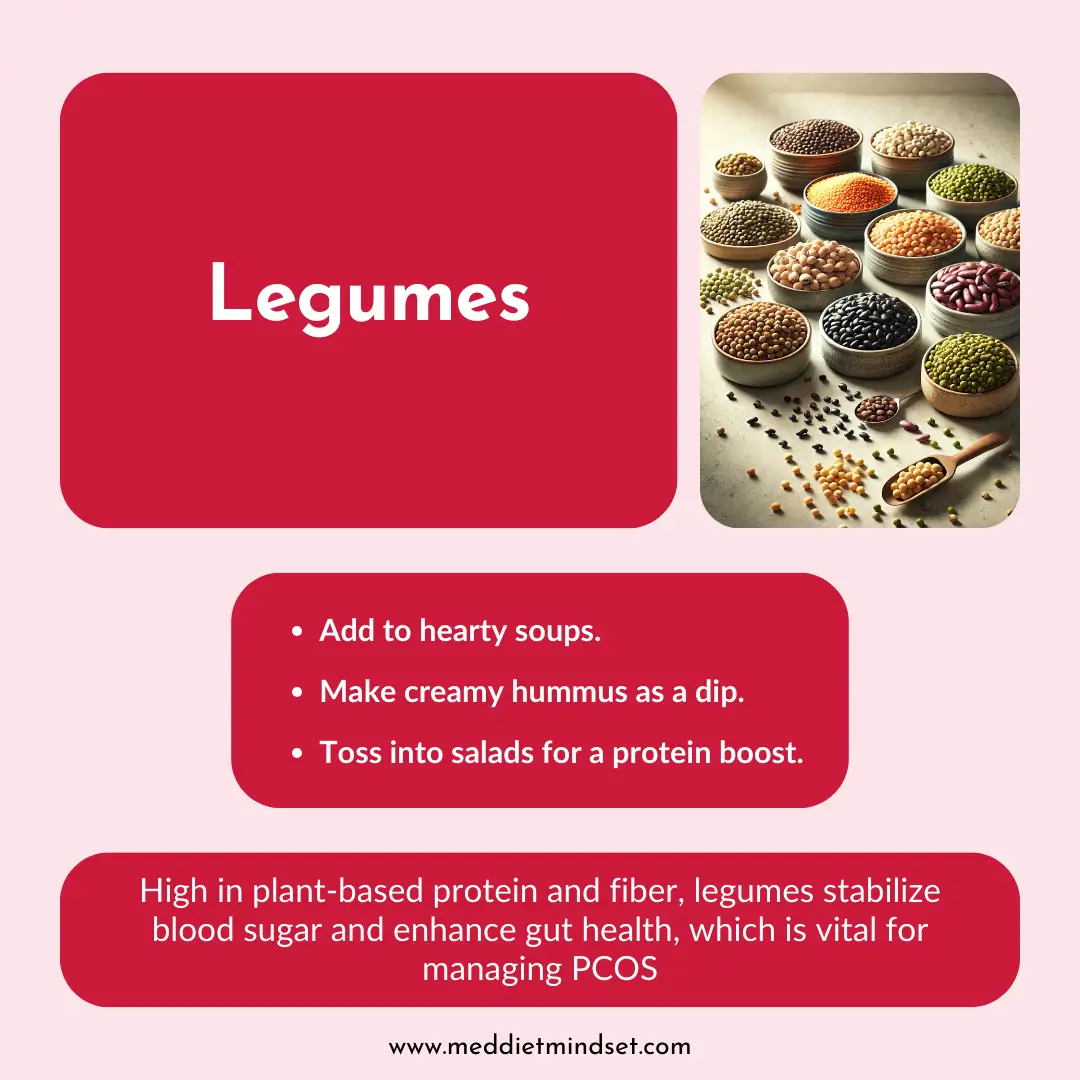
Legumes
High in soluble fiber and plant-based protein, legumes slow sugar absorption, improving insulin sensitivity
How to Include
Add lentils to soups or make chickpea hummus for a nutrient-dense dip
Low-Glycemic Fruits
These fruits provide fiber and antioxidants without spiking blood sugar, supporting stable insulin levels

How to Include
Enjoy apples as a snack or cherries with Greek yogurt
PCOS-Friendly Snacks and Meal Ideas
Incorporating PCOS-friendly snacks into your day helps maintain stable blood sugar and curb cravings. Mediterranean-inspired options combine protein, fiber, and healthy fats to provide energy and satiety.
Greek Yogurt with Berries and Chia Seeds
Protein and probiotics in yogurt support gut health, while chia seeds and berries add fiber and antioxidants

How to Prepare
Mix plain Greek yogurt with fresh berries and sprinkle with chia seeds
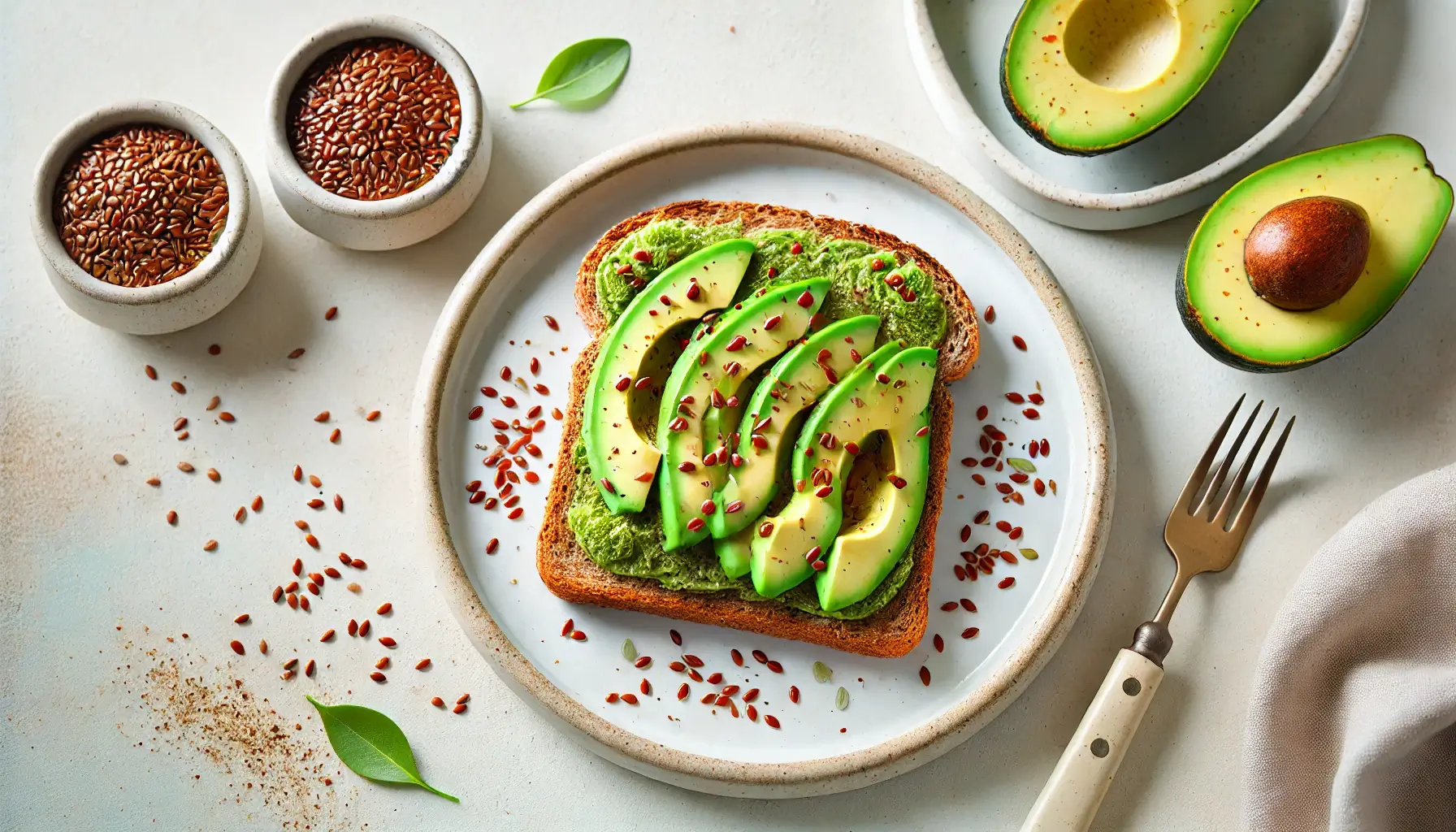
Avocado Toast with Flaxseeds
Whole-grain toast offers slow-releasing carbs, while avocado and flaxseeds provide omega-3s and support estrogen metabolism
How to Prepare
Spread avocado on toast and top with flaxseeds and chili flakes
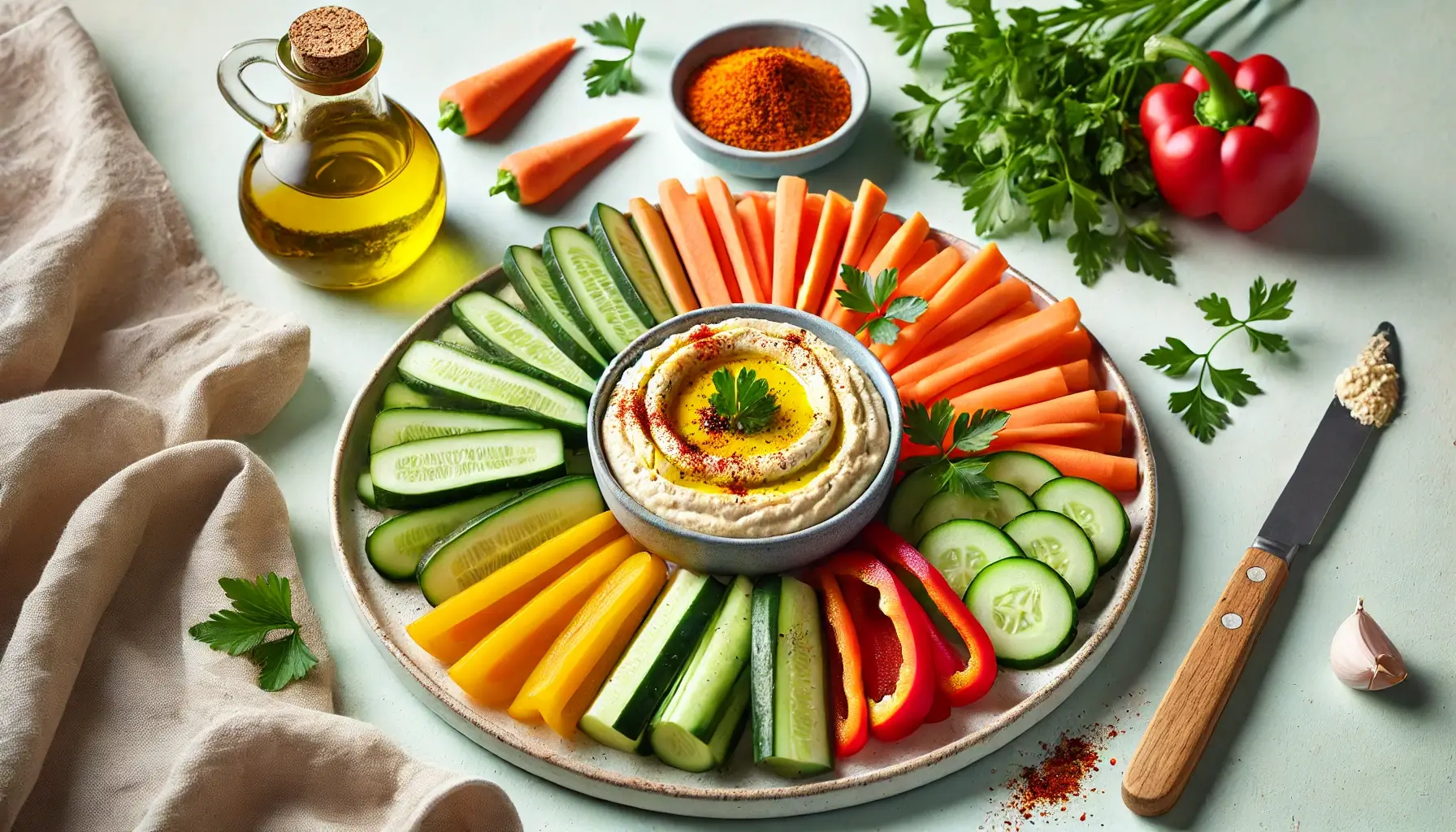
Vegetables with Hummus
Chickpeas in hummus stabilize blood sugar, and fresh vegetables add antioxidants
How to Prepare
Pair sliced cucumbers, carrots, and bell peppers with a drizzle of olive oil over hummus
These snacks and meals demonstrate how the Mediterranean diet for PCOS balances insulin levels and hormones, providing a practical, enjoyable approach to managing symptoms and improving well-being.
Practical Tips to Get Started with a Mediterranean Diet for PCOS
Transitioning to a Mediterranean diet for PCOS can meaningfully improve how you manage symptoms, while still being a sustainable and enjoyable way of eating. Unlike restrictive diets, this approach emphasizes balance, variety, and nutrient-dense foods that naturally support hormonal health. With a little planning and preparation, incorporating Mediterranean principles into your routine becomes much easier.
Pantry Staples for a Mediterranean PCOS Diet
A well-stocked pantry is key to making the Mediterranean diet for PCOS convenient and practical. It ensures you have healthy options at your fingertips, minimizing the temptation to rely on processed foods. Essential staples include:
Easy Swaps for a Mediterranean Lifestyle
Small, intentional changes can make adopting the Mediterranean diet for PCOS feel effortless. Consider these swaps:
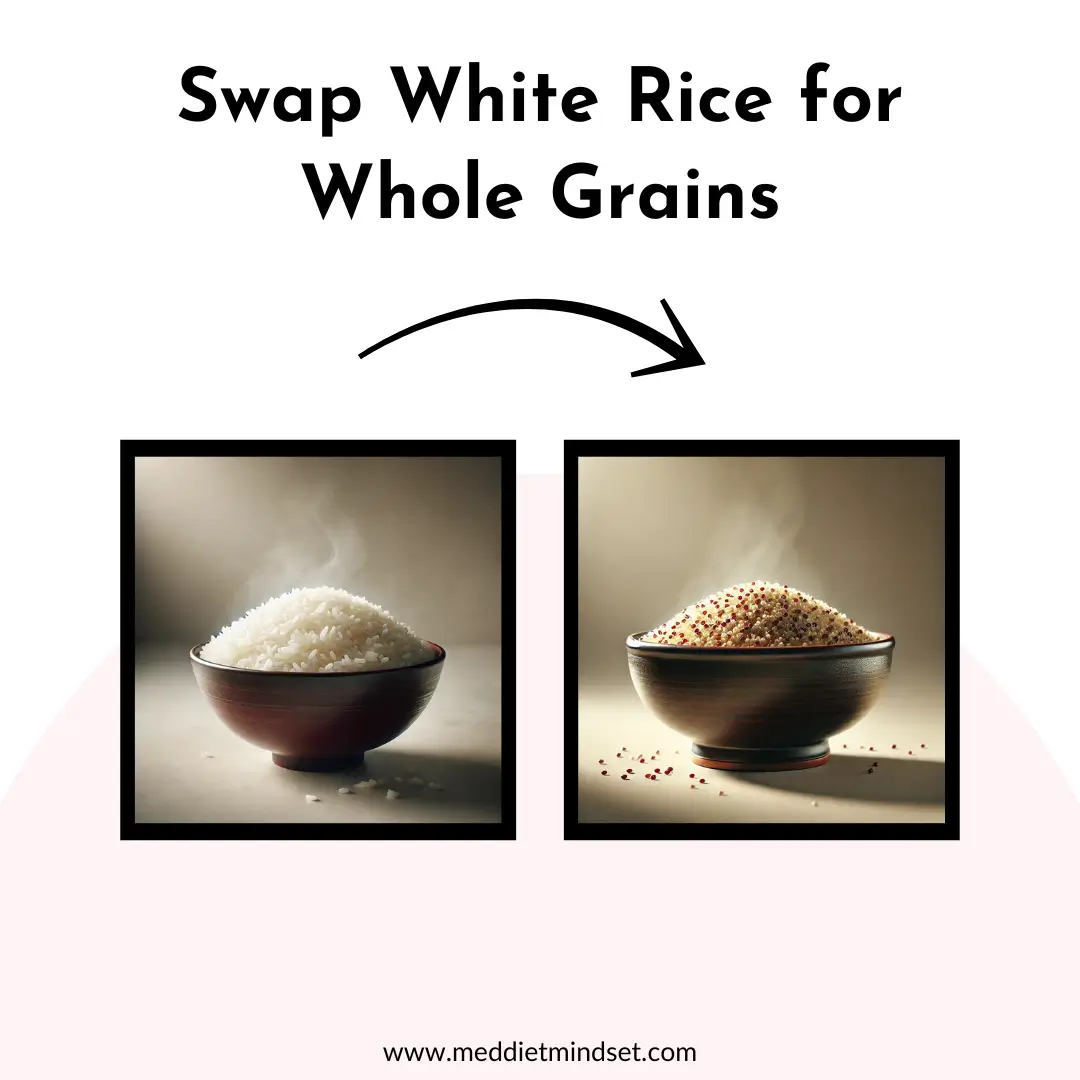
Swap White Rice for Whole Grains
Refined grains spike blood sugar, while whole grains like quinoa release energy slowly, supporting insulin balance
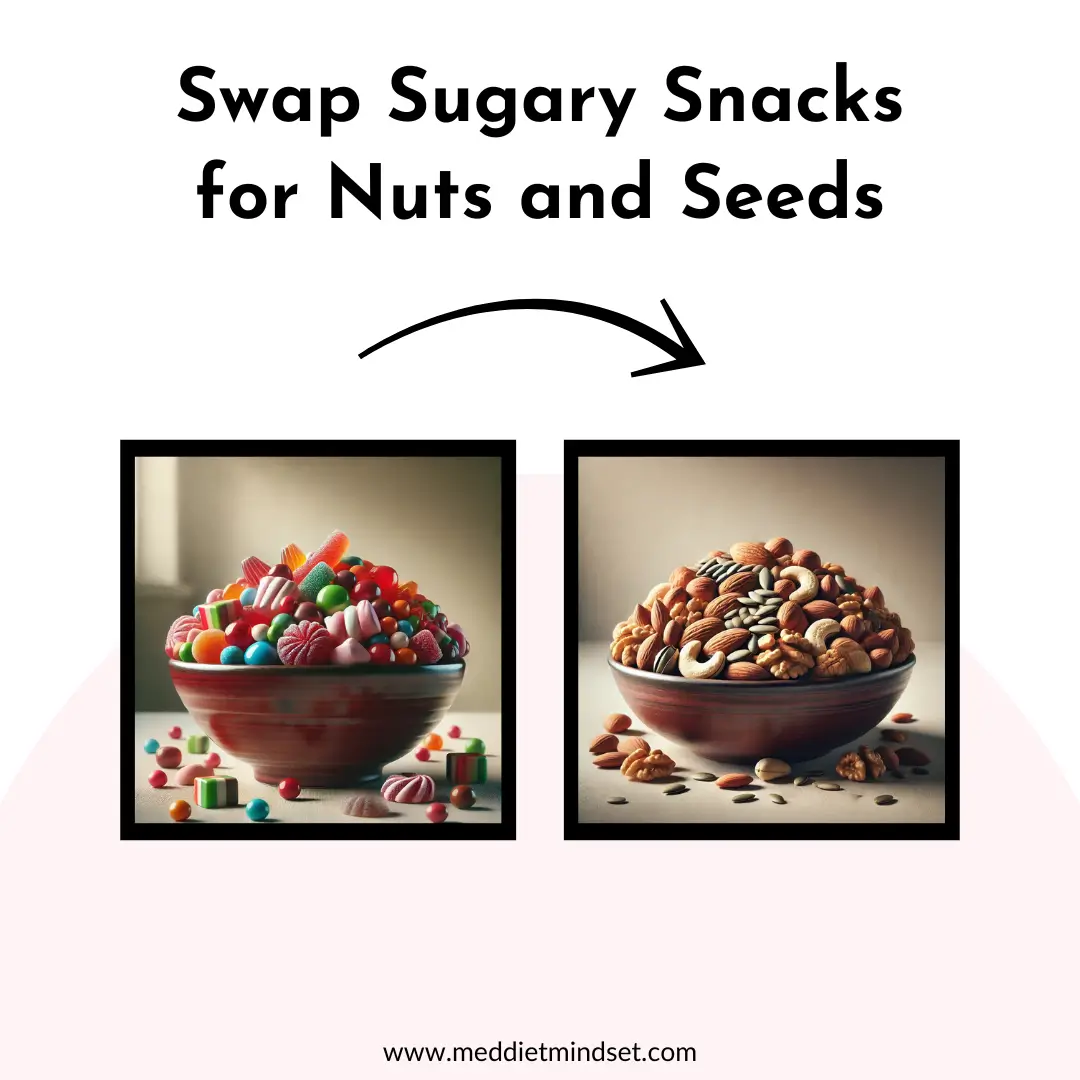
Swap Sugary Snacks for Nuts and Seeds
Nuts and seeds provide healthy fats, protein, and fiber to curb cravings and stabilize blood sugar. Keep them handy for quick snacking
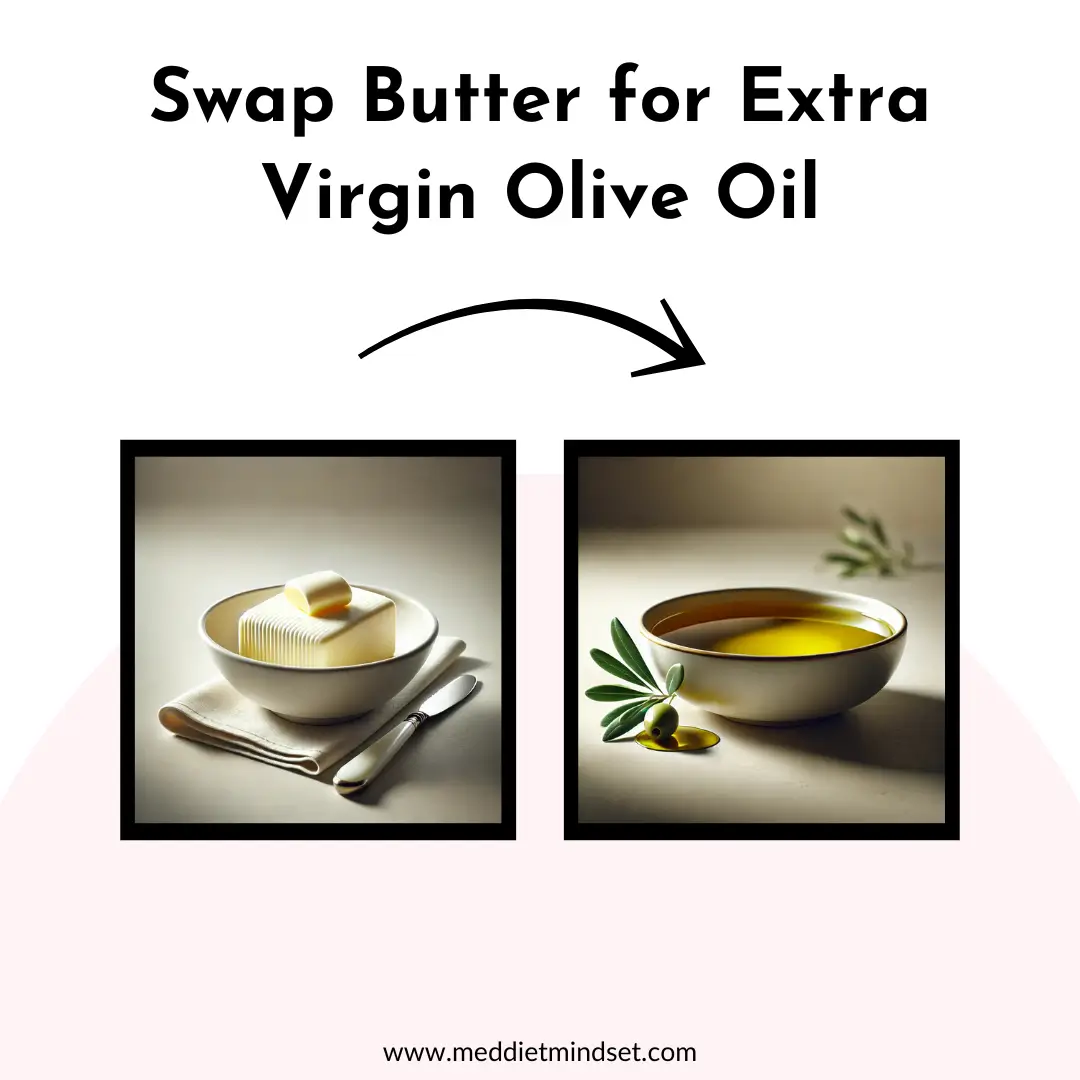
Swap Butter for Extra Virgin Olive Oil
Olive oil’s anti-inflammatory benefits surpass butter, making it an essential for heart and hormone health
Meal Prep and Planning Tips
Effective meal prep ensures you stay consistent with your Mediterranean diet for PCOS, even on busy days.
- Batch-Cook Grains
- Prepare quinoa or farro in advance to use as a base for quick lunches or dinners.
- Pre-Chop Vegetables
- Store washed and chopped veggies in clear containers for easy snacking or cooking.
- Prepare Overnight Oats
- Combine oats, almond milk, chia seeds, and berries in jars for a ready-to-go breakfast that supports blood sugar stability.
By following these practical tips, you’ll find it easier to adopt the Mediterranean diet for PCOS, paving the way for better symptom management and overall well-being.
Common Misconceptions About the Mediterranean Diet for PCOS
When it comes to the Mediterranean diet for PCOS, many misconceptions arise. Whether it’s being labeled as expensive, unsuitable for PCOS due to carbs, or dismissed as a mere fad, these myths can deter women from exploring an approach with real evidence behind it. Let’s debunk these misconceptions and understand why the Mediterranean diet remains one of the best-supported approaches for PCOS.
1- The Mediterranean Diet Is Too Expensive
A frequent concern is that the Mediterranean diet is unaffordable. People associate it with costly ingredients like wild-caught salmon or premium olive oil. However, the core of this diet is built on simple, budget-friendly staples that are both accessible and nutritious.
- Seasonal Produce is Budget-Friendly: Buying in-season fruits and vegetables saves money while ensuring freshness. Summer offers affordable options like zucchini, tomatoes, and berries, while winter brings carrots, sweet potatoes, and spinach.
- Bulk Staples Save Costs: Whole grains (quinoa, oats, farro) and legumes (chickpeas, lentils) are inexpensive when purchased in bulk, with long shelf lives for added convenience.
- Frozen Produce Works Too: Frozen fruits and vegetables, like spinach and berries, are nutrient-rich alternatives to fresh produce and perfect for smoothies or soups.
- Olive Oil as an Investment: While high-quality olive oil might seem pricey, a small amount enhances meals and provides essential health benefits, making it cost-effective over time.
Tips to Save: Plan meals around sales, use affordable proteins like legumes or canned tuna, and prepare dishes at home to cut restaurant costs. With smart shopping, the Mediterranean diet can fit any budget.
2- You Have to Avoid Carbs with PCOS
The myth that women with PCOS must avoid carbs is widespread. While refined carbs can spike blood sugar, the Mediterranean diet emphasizes complex, whole-food carbs that stabilize insulin levels and support hormonal health.
- Not All Carbs Are Created Equal: Processed carbs (white bread, pastries) have high glycemic indices, but whole grains (quinoa, oats) and legumes are digested slowly, preventing blood sugar spikes.
- Fiber’s Role in PCOS: Whole-food carbs come packed with fiber, which aids digestion, reduces insulin resistance, and promotes satiety, helping with weight management.
- PCOS-Friendly Carbs: Whole grains like bulgur, legumes like lentils, and low-glycemic fruits like berries provide energy while supporting metabolic health.
Women with PCOS don’t need to fear carbs but should focus on fiber-rich, whole-food options. These carbs fuel the body and help regulate blood sugar, making them integral to managing PCOS.
3- It's Just Another Diet Trend
Some dismiss the Mediterranean diet as a fleeting trend, but it has stood the test of time. Unlike restrictive fads, it’s a flexible, inclusive lifestyle rooted in centuries of tradition and decades of research.
- Backed by Science: The Mediterranean diet is linked to lower risks of heart disease, diabetes, and hormonal imbalances like PCOS.
- A Sustainable Lifestyle: This diet focuses on long-term habits, offering variety and balance without harsh restrictions.
- No Deprivation: Unlike fads that cut entire food groups, the Mediterranean diet encourages diversity, allowing enjoyment of whole grains, legumes, and healthy fats.
Why It Works for PCOS: Its anti-inflammatory and hormone-balancing benefits make it a powerful tool for women seeking sustainable solutions.
The Mediterranean diet for PCOS is not only accessible and affordable but also well-supported and sustainable. Far from being a fad, it’s a practical, lifelong approach to better health.
What Real Progress Looks Like with PCOS
Women living with PCOS often face a frustrating mix of weight gain, irregular cycles, and hormonal symptoms that don’t respond to the usual advice. The Mediterranean diet works on what sits underneath those symptoms — insulin resistance, chronic inflammation, hormonal imbalance — rather than on the number on the scale alone. That’s slower progress than most diets promise, and a more durable kind.
I always tell my clients that this looks less dramatic than a crash diet and holds up far better. One client lost around 15 pounds over three months eating this way, without counting a single calorie. Roughly a pound a week, driven by changes she could actually keep — that’s what steady progress tends to look like. Your own results will depend on your starting point, your symptoms, and whatever else is going on medically.
Where Women Most Often See Change
Switching to a Mediterranean pattern tends to show up in a few specific places first. Not all at once, and not in the same order for everyone.
- Improved Insulin Sensitivity
- Better Appetite Control
- Regular Menstrual Cycles
- Increased Energy Levels
Insulin resistance is a hallmark of PCOS and a major contributor to symptoms like acne, weight gain, and irregular cycles. The Mediterranean diet incorporates low-glycemic whole grains (e.g., quinoa, oats), fiber-rich legumes (e.g., lentils, chickpeas), and healthy fats (e.g., olive oil, nuts), which help stabilize blood sugar and improve insulin sensitivity. Improvements in cycle regularity often follow, though the timeline varies widely.
Blood sugar fluctuations in PCOS often trigger cravings for sugary or processed foods. The fiber and healthy fats in Mediterranean meals keep women fuller for longer, curbing these cravings and supporting balanced eating habits. That tends to make eating feel less like a test of willpower.
Hormonal imbalances caused by insulin resistance and inflammation disrupt ovulation. Improving them is one reason a Mediterranean pattern may help cycles become more regular — though this varies a lot, and food alone isn’t a fix in every case.
Processed carbs lead to energy spikes and crashes, but the steady release of energy from complex carbs, high-quality proteins, and omega-3-rich fats in this diet provides sustained vitality. Steadier energy through the afternoon is often the first thing people notice.
The Science Behind the Results
The Mediterranean diet’s effectiveness for PCOS is supported by a growing body of research:
- Improved Insulin Resistance and Weight Loss: A 2022 Study put 72 women with PCOS on either a Mediterranean pattern combined with lower carbohydrate intake, or a low-fat diet, for 12 weeks. The Mediterranean group saw better improvements in insulin resistance, BMI, and testosterone. It tested both changes together, so the Mediterranean pattern isn’t doing all the work on its own.
- Reduced Inflammation: A 2023 review looked at why PCOS involves chronic low-grade inflammation — obesity, insulin resistance, and high androgen levels all feed into it — and which parts of the Mediterranean diet may help settle it. The authors point to omega-3 fats, antioxidants, and fibre. Foods like olive oil, fatty fish, and berries play a central role.
These findings underscore why the Mediterranean diet is an evidence-based strategy for managing PCOS.
Building Long-Term Habits
The Mediterranean diet isn’t a rigid program; it’s a flexible lifestyle. To make it stick:
- Start Small: Replace butter with olive oil or add greens to one meal daily.
- Plan Ahead: Prepping staples like quinoa and chopped vegetables simplifies meal preparation.
- Focus on Progress: Small, consistent steps are more effective than striving for perfection.
By building habits gradually, the Mediterranean diet becomes a sustainable part of life, empowering women with PCOS to reclaim their health for the long term.
Explore More PCOS Resources
This guide covers the fundamentals. These posts go deeper on specific parts of it.
Understanding the Condition
- PCOS Name Change: What PMOS Means for You — PCOS is now officially called PMOS. What the new name means, and why your diagnosis, treatment, and diet all stay the same.
- Getting Pregnant with PCOS: Why It’s Harder, What Helps — What’s happening when ovulation stops being reliable, and what actually makes a difference.
Why the Mediterranean Diet Works for PCOS
- PCOS Weight Loss: Why the Mediterranean Diet Works So Well — The mechanisms underneath it: insulin sensitivity, inflammation, and why this pattern holds up where restrictive diets don’t.
- Why Crash Diets Worsen PCOS — What severe restriction does to hormones and metabolism, and why it tends to backfire with PCOS specifically.
What to Eat
- Best Diet for PCOS Weight Loss: Mediterranean Foods — The specific foods to build meals around, plus a full sample day.
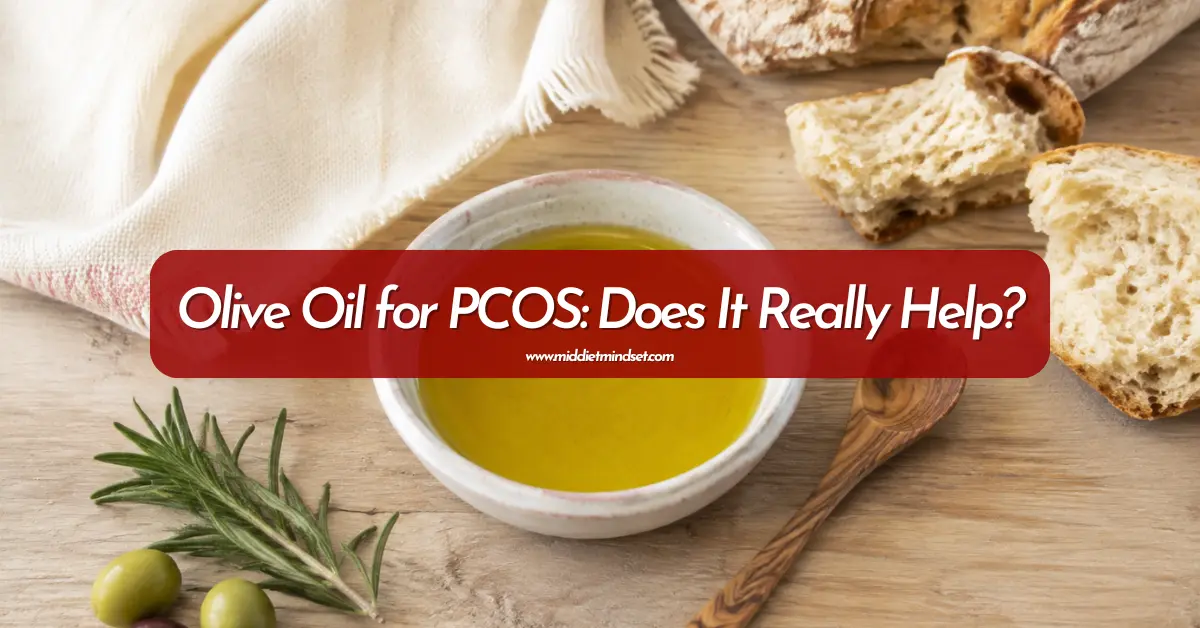
- Olive Oil for PCOS: Does It Really Help? — What olive oil does for inflammation and insulin sensitivity, and how much is worth using.
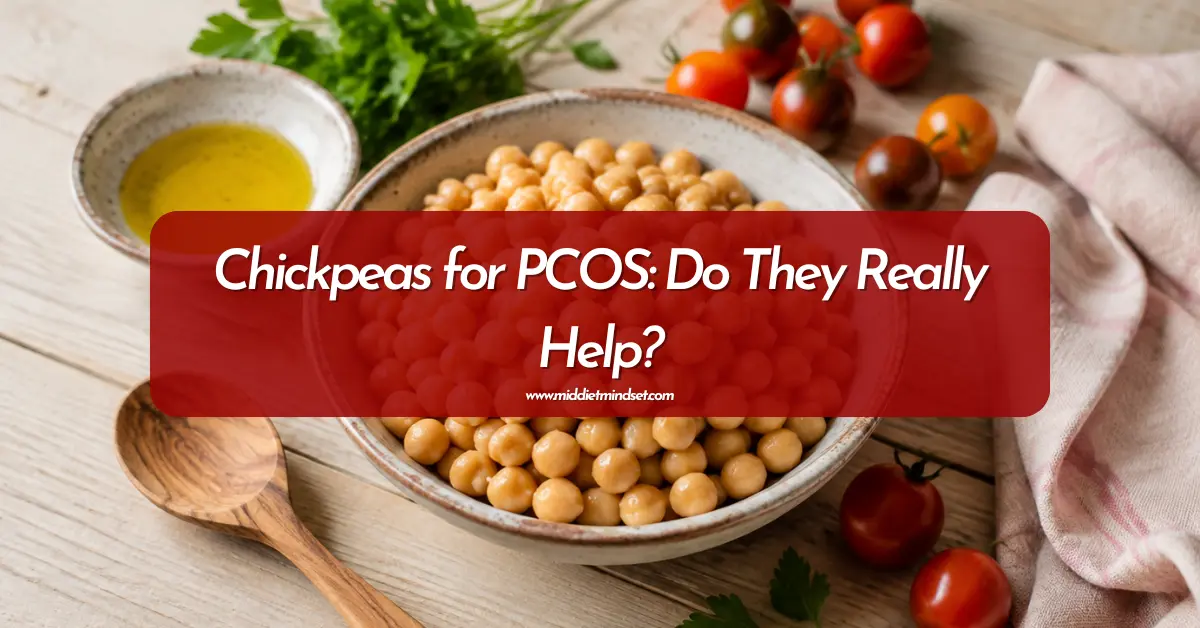
- Chickpeas for PCOS: Do They Really Help? — What the research shows about chickpeas and blood sugar, including where the effect is smaller than you’d expect.
- Greek Yogurt for PCOS: Does It Really Help? — Protein, probiotics, and whether full-fat or low-fat matters here.
Putting It Into Practice
- Mediterranean Breakfast for PCOS: What to Eat — How to build a first meal that keeps blood sugar steady through the morning.
- Mediterranean Diet vs. Low-Carb for PCOS: Which Wins? — How the two compare for PCOS specifically, and what the evidence says about combining them.
- Common Mediterranean Diet Mistakes With PCOS — Why some women follow the diet closely and still don’t see results.
F.A.Q.
No, the Mediterranean diet for PCOS cannot cure the condition because PCOS is a chronic hormonal disorder without a known cure. However, this diet is a powerful tool for managing PCOS symptoms naturally. The Mediterranean diet emphasizes whole, nutrient-dense foods that combat common issues in PCOS, such as insulin resistance, chronic inflammation, and hormonal imbalances. By supporting insulin sensitivity and lowering inflammation, this way of eating can help with more regular cycles and steadier weight loss. Some women also notice improvement in androgen-related symptoms like acne, though how much varies from person to person. While it doesn’t eliminate PCOS, adopting the Mediterranean diet as a lifestyle can significantly improve quality of life and long-term health outcomes.
Results from the Mediterranean diet for PCOS depend on individual factors, including the severity of symptoms and consistency with the diet. Many women notice improvements in energy levels, mood, and appetite regulation within a few weeks of starting the diet. Visible changes in hormonal balance, such as more regular menstrual cycles, typically take several months of adherence. Remember, PCOS is a complex condition, and long-term management is key. Consistently following the Mediterranean diet can help address underlying metabolic and hormonal issues, bringing sustainable progress over time.
No, avoiding all carbs is unnecessary and not recommended for managing PCOS. Instead, the Mediterranean diet for PCOS encourages focusing on complex carbohydrates with a low glycemic index. Examples include whole grains like quinoa, farro, oats, and legumes, which digest slowly and help maintain stable blood sugar levels. These carbs support insulin sensitivity, a critical factor for PCOS management. In contrast, refined carbs like white bread and sugary snacks should be minimized because they can cause blood sugar spikes and exacerbate symptoms. By choosing the right carbs, you can enjoy a balanced diet that supports hormonal health and long-term weight management. Incorporating complex carbs into your meals provides essential fiber, vitamins, and minerals that benefit both metabolic and overall health.

Nour is a registered dietitian, nutrition researcher, and founder of MedDietMindset. With a passion for evidence-based nutrition, she specializes in Mediterranean diet strategies, PCOS management, and sustainable weight loss. Nour is dedicated to transforming complex scientific research into clear, actionable guidance to support healthier, long-lasting lifestyle changes. Through her blog, she empowers readers to build habits that prioritize well-being, balance, and vitality.