Table of Contents
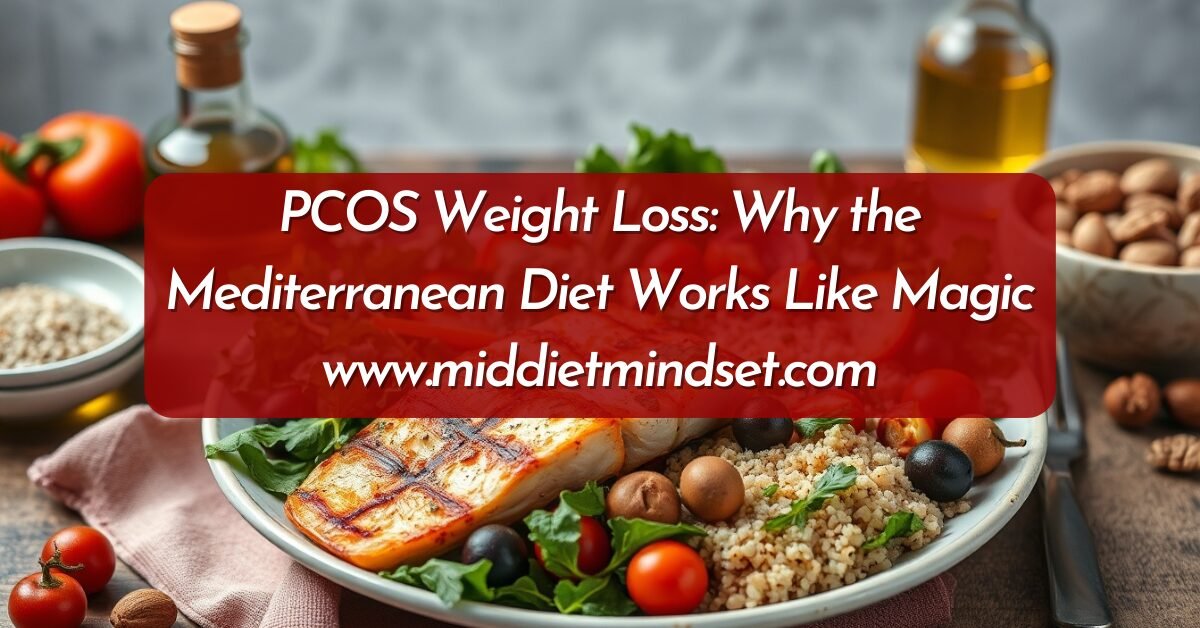
ToggleIf you’re searching for the best diet for PCOS weight loss, you’ve likely already heard the Mediterranean diet recommended — and for good reason. But knowing it’s the right approach is only half the picture; what actually matters day to day is which foods to put on your plate. As a dietitian who’s helped countless women manage PCOS and achieve sustainable weight loss, I’ve seen firsthand how the right Mediterranean diet foods, not just the diet label itself, make the real difference.
What is the best diet for PCOS weight loss? Most research points to the Mediterranean diet — a pattern built around whole plant foods, healthy fats, and lean protein — as one of the most effective, sustainable approaches, largely because it targets the insulin resistance and inflammation that drive PCOS-related weight gain. The foods below are the specific ones worth prioritizing if you’re building a PCOS-friendly plate.
Understanding the Link Between PCOS and Diet
Polycystic Ovary Syndrome (PCOS) — now officially called PMOS — is a hormonal disorder that affects millions of women worldwide. One of the hallmarks of PCOS is insulin resistance, which means your body has a hard time using insulin properly. This leads to higher levels of insulin in your bloodstream, which can trigger weight gain, especially around the belly, and make losing weight more challenging.
But here’s the good news: the right foods can make a big difference. I’ve seen clients transform their energy levels, regulate their cycles, and lose weight sustainably—all by focusing on what they eat. And the Mediterranean diet is one of the best ways to address the underlying causes of PCOS: insulin resistance and inflammation.
This is exactly why finding the best diet for PCOS weight loss starts with addressing insulin resistance first, not simply cutting calories.
Why the Mediterranean Diet?
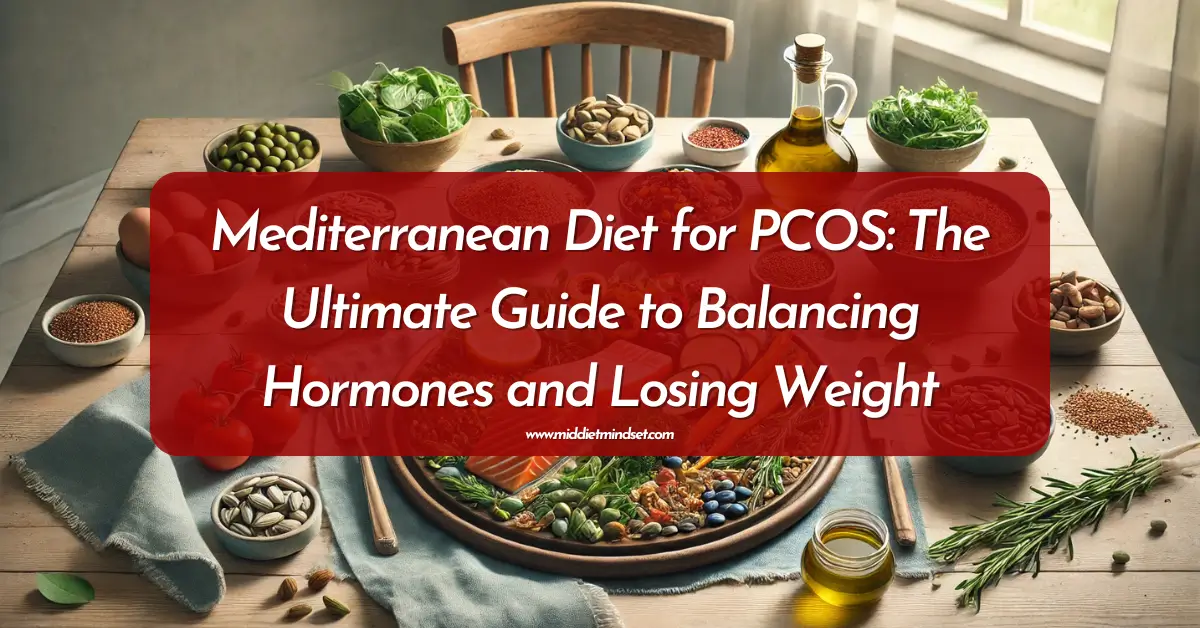
The Mediterranean diet is rich in whole foods, healthy fats, and plant-based ingredients that help balance hormones, reduce inflammation, and stabilize blood sugar levels—all key elements in managing PCOS symptoms. Plus, it’s not about restriction or deprivation. It’s about filling your plate with the best Mediterranean diet foods for PCOS that leave you feeling satisfied.
Key Mediterranean Diet Principles for PCOS
These principles are exactly what make the Mediterranean diet the best diet for PCOS weight loss for so many women — not restriction, but a specific way of eating.
Plant-Based Focus
A majority of your diet should come from plant-based foods like vegetables, fruits, legumes, and whole grains. These foods are packed with fiber, which helps slow the absorption of sugar into your bloodstream, keeping insulin levels in check.
Healthy Fats
Olive oil, nuts, seeds, and avocados are the stars of the Mediterranean diet. These fats don’t just taste great; they also support hormone health and reduce inflammation, which is crucial for managing PCOS.
Lean Proteins
Fish, poultry, and plant proteins like beans and lentils are fantastic choices. They provide the building blocks for muscle, which can boost metabolism and aid in weight loss. Plus, they’re filling, so you’re less likely to overeat.
Minimal Processed Foods
One of the big reasons the Mediterranean diet works so well for PCOS is that it cuts out processed junk. You’ll be focusing on whole, unprocessed foods, which naturally have more nutrients and less added sugar.
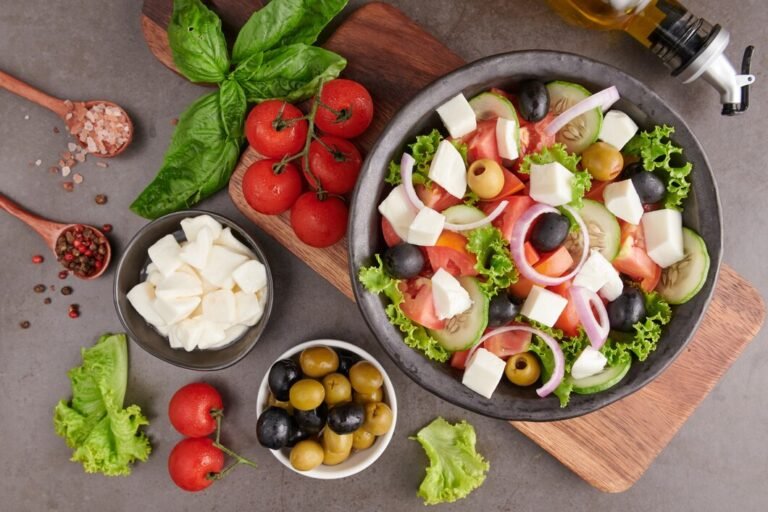
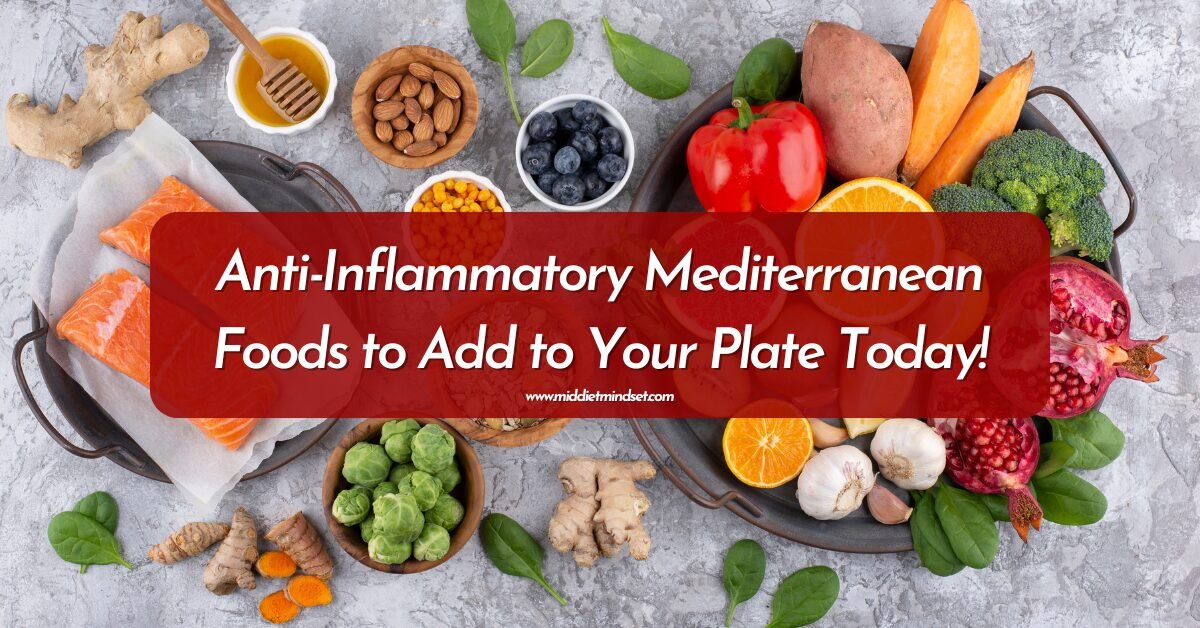
Best Mediterranean Diet Foods for PCOS-Friendly Weight Loss
Now that you know the basics, let’s talk about some of the best Mediterranean diet foods for PCOS. These foods not only help manage your symptoms but also support sustainable weight loss.
Leafy Greens and Cruciferous Vegetables
PCOS often comes with a side of inflammation, which can make weight loss harder. That’s where leafy greens like spinach, kale, and cruciferous vegetables like broccoli come in. These veggies are loaded with antioxidants, vitamins, and minerals that help reduce inflammation and improve insulin sensitivity.
I always tell my clients to add a handful of leafy greens to every meal—whether it’s tossing spinach into a smoothie or adding kale to a stir-fry. It’s a small change, but it adds up over time.
Berries and Low-Sugar Fruits
Fruits can be tricky for people with PCOS due to their natural sugar content. But berries like blueberries, raspberries, and strawberries are low in sugar and high in antioxidants, making them perfect for keeping insulin levels stable.
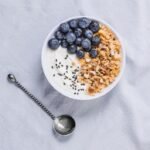
One of my go-to breakfasts is Greek yogurt topped with a handful of berries and some chia seeds. It’s a quick, balanced meal that tastes amazing and keeps your blood sugar steady throughout the morning.
Whole Grains
When you have PCOS, not all carbs are created equal. Refined carbs like white bread and pastries can spike insulin, but whole grains like quinoa, farro, and barley are digested slowly, which helps keep your blood sugar stable. Plus, they’re full of fiber, which can help with weight loss by keeping you full longer.
I often recommend swapping out white rice or pasta for a whole grain option. It’s a simple switch that can make a big difference in managing insulin levels and curbing hunger.
Fatty Fish and Omega-3 Rich Foods
Salmon, mackerel, and sardines are all rich in Omega-3 fatty acids, which are essential for reducing inflammation and supporting hormone balance. Omega-3s have been shown to improve insulin sensitivity and reduce androgen levels, which can help alleviate some of the common symptoms of PCOS like acne and unwanted hair growth.
Personally, I aim to include fatty fish in my diet at least twice a week. If you’re not a fan of fish, consider adding chia seeds, flaxseeds, or walnuts to your meals for an Omega-3 boost.
Olive Oil and Healthy Fats
Olive oil is the cornerstone of the Mediterranean diet, and for good reason. It’s rich in monounsaturated fats that help improve cholesterol levels and promote hormone health. Whether you’re drizzling it over a salad or using it to cook your veggies, olive oil is a must-have in your kitchen.
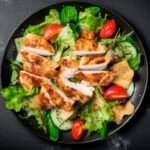
One of my favorite quick meals is a simple salad with mixed greens, cherry tomatoes, cucumbers, and a drizzle of olive oil and lemon juice. It’s light, refreshing, and packed with nutrients.
Nuts and Seeds
Almonds, walnuts, chia seeds, and flaxseeds are great sources of fiber, protein, and healthy fats, all of which help regulate blood sugar levels. These small but mighty foods are perfect for snacking or adding to meals.
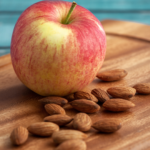
When I’m craving something crunchy, I reach for a handful of almonds. Not only does it satisfy my hunger, but it also helps keep my blood sugar stable between meals.
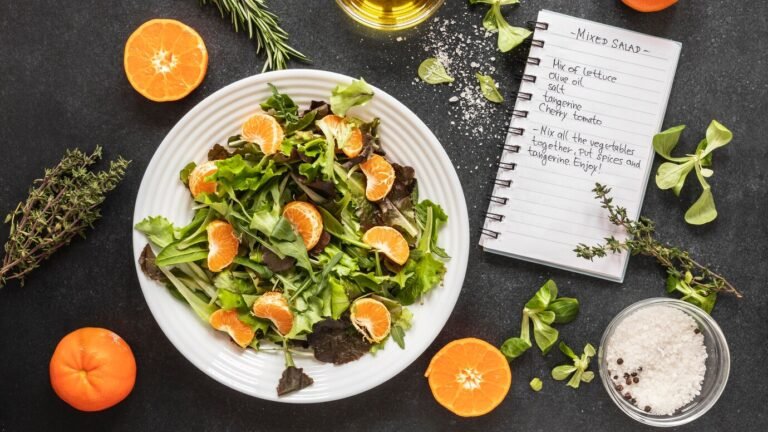
Mediterranean Diet Meal Planning for PCOS
Once you know the best diet for PCOS weight loss is built around these food groups, the next step is putting them together into real meals.
Balance Your Plate
Make sure your meals include a mix of protein, healthy fats, and fiber. For example, pair a piece of grilled fish with a side of roasted vegetables and a quinoa salad for a balanced, satisfying meal.
Focus on Portion Control
Healthy fats are great for you, but they’re also calorie-dense. Stick to recommended serving sizes to avoid overeating, especially when it comes to nuts, seeds, and oils.
Plan Ahead
Meal prepping is a great way to ensure you have healthy meals ready to go. Cook a big batch of whole grains, roast some veggies, and grill your proteins at the start of the week so you have everything on hand
Sample Daily Meal Plan
Here’s a sample day of eating on the Mediterranean diet for PCOS:
Greek yogurt with berries, chia seeds and a sprinkle of nuts/seeds
Grilled chicken salad with mixed greens, cucumbers, cherry tomatoes, and olive oil vinaigrette
A handful of almonds and a piece of low-sugar fruit like an apple
Baked salmon with roasted broccoli and quinoa
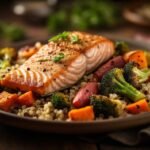
This is just one example of what the best diet for PCOS weight loss can look like in practice — the goal isn’t to follow it exactly, but to see how the foods above come together into balanced, satisfying meals.
Common Pitfalls to Avoid
While the Mediterranean diet is flexible and sustainable, there are a few pitfalls to watch out for:
Overeating Healthy Fats
Yes, olive oil and nuts are good for you, but they’re calorie-dense. Stick to portion sizes to avoid sabotaging your weight loss efforts
Beware of Processed “Mediterranean” Foods
Just because a product says it’s Mediterranean doesn’t mean it’s healthy. Avoid highly processed versions of Mediterranean staples like packaged hummus with added sugars or store-bought dressings with unhealthy oils
Navigating Sugar Cravings
If you’re craving something sweet, reach for a piece of fruit or some dark chocolate with at least 70% cocoa to satisfy your cravings without spiking your blood sugar
Conclusion
When it comes to the best diet for PCOS weight loss, the Mediterranean approach stands out because it treats food as a tool, not a punishment. The Mediterranean diet is not just a diet; it’s a lifestyle change that can help you manage PCOS and achieve sustainable weight loss. By focusing on whole, nutrient-dense foods and incorporating habit-building strategies, you can take control of your symptoms and start feeling better from the inside out.
Remember, small, consistent changes lead to lasting results. Start by adding one or two of these best Mediterranean diet foods for PCOS into your routine, and soon you’ll see the benefits in both your health and your waistline.
F.A.Q.
The Mediterranean diet is widely considered one of the best diets for PCOS weight loss because it directly targets the two biggest drivers of PCOS-related weight gain: insulin resistance and chronic inflammation. Rather than restriction, it works by stabilizing blood sugar and reducing inflammation through whole, nutrient-dense foods.
- Leafy Greens and Cruciferous Vegetables
- Berries and Low-Sugar Fruits
- Whole Grains
- Fatty Fish and Omega-3 Rich Foods
- Olive Oil and Healthy Fats
- Nuts and Seeds
Make sure your meals include a mix of protein, healthy fats, and fiber. For example, pair a piece of grilled fish with a side of roasted vegetables and a quinoa salad for a balanced, satisfying meal.
The Mediterranean diet is widely regarded as the best diet for PCOS weight loss, since it addresses insulin resistance and chronic inflammation — the two root drivers of PCOS-related weight gain — rather than relying on short-term restriction.

Nour is a registered dietitian, nutrition researcher, and founder of MedDietMindset. With a passion for evidence-based nutrition, she specializes in Mediterranean diet strategies, PCOS management, and sustainable weight loss. Nour is dedicated to transforming complex scientific research into clear, actionable guidance to support healthier, long-lasting lifestyle changes. Through her blog, she empowers readers to build habits that prioritize well-being, balance, and vitality.