Table of Contents
ToggleIf you’ve committed to the Mediterranean diet for your PCOS and still feel stuck, you’re probably not doing anything drastically wrong. Most Mediterranean diet mistakes with PCOS are small execution gaps. They aren’t a sign the diet doesn’t work for you. The most common ones are skipping protein at meals, not watching portions of olive oil and nuts, and treating fish as optional. Rushing breakfast, using carb portions that don’t account for insulin resistance, and treating wine as a daily free pass round out the list. None of them mean you’ve failed. They’re just easy to miss, since nobody talks about them as much as “what to eat.”
If you’re just getting started, our Mediterranean diet for PCOS guide walks through the basics of how this way of eating supports your hormones and insulin. For more on eating with other conditions, our Mediterranean diet and health conditions hub is a good next stop.
6 Mediterranean Diet Mistakes With PCOS That Get in the Way
Not Pairing Protein and Fiber With Carbohydrates
Eating carbs on their own, without protein or fiber alongside them, is a common one. It might look Mediterranean on the plate. A bowl of pasta with a little olive oil. Some bread with dinner. Fruit on its own as a snack. But without protein or fiber to slow things down, carbs move into your bloodstream faster. That means a bigger blood sugar spike.
Getting enough fiber is linked with better insulin function in women with PCOS. It’s also linked with lower testosterone levels. Adding protein or fiber-rich food before or alongside your carbs can smooth out your blood sugar response to a meal.
In practice, pair your bread, pasta, rice, or fruit with something else. A source of protein or a scoop of beans or lentils works well. The goal is to never eat a carb completely alone.
Using Olive Oil and Nuts Without Watching the Quantity
Olive oil deserves its reputation. It’s not linked to weight gain in large, long-term studies, even though it’s calorie-dense. It’s still a far better choice than seed oils like corn or soybean oil. Nuts get a similar pass. A PCOS-specific study comparing walnuts and almonds over six weeks found walnuts lowered cholesterol and almonds lowered free testosterone levels. Neither was linked to weight gain. But three things still matter here if you have PCOS or PMOS as it’s officially known.
First, “calorie-dense” is still real. Studies showing olive oil’s benefits for insulin and inflammation usually use a few tablespoons a day, not unlimited pouring. A reasonable portion of nuts is about a small handful, roughly an ounce, not an unmeasured bowl. If weight loss is part of your goal, oil and nuts that get added freely at every meal can quietly add up.
Second, that matters beyond the scale. If generous, unmeasured portions leave you eating more calories than your body needs, the added weight itself becomes a source of inflammation over time. Excess fat tissue produces its own inflammatory compounds, which can make insulin resistance worse. That’s exactly what you’re trying to avoid with PCOS.
Third, olive oil leans toward omega-6 fats rather than omega-3s. That balance is still much better than seed oils. But if fish rarely makes it onto your plate, that balance can tip further toward inflammation. Which brings us to the next mistake.
For more on how to use it well, see our guide to olive oil for PCOS.
Treating Fish and Omega-3s as Optional
Fish often gets treated as a “nice to have” instead of a regular habit. That’s a missed opportunity if you have PCOS. Getting enough omega-3s has been shown to help insulin work better in women with PCOS. It also helps calm inflammation and supports healthier cholesterol and triglyceride levels.
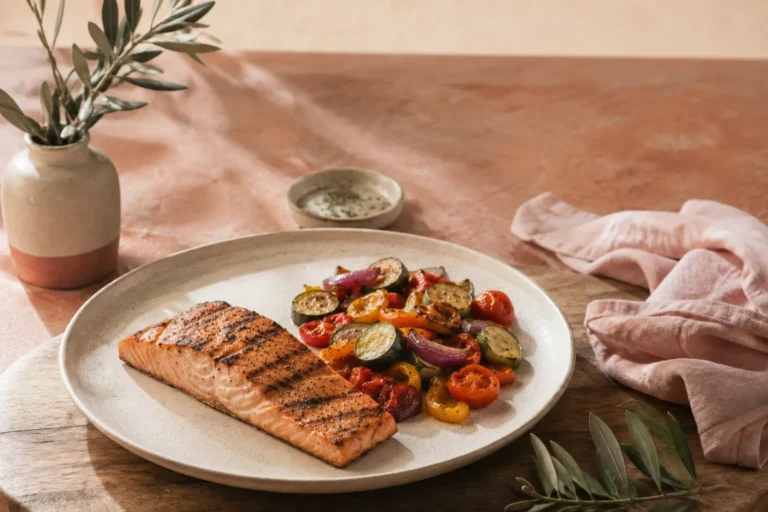
Aim for two to three servings of fatty fish a week. Salmon, sardines, mackerel, and trout are good options. Fish is also a smart fix for the pairing mistake above. It gives you protein and omega-3s in the same meal.
Our post on fish for weight loss has more on how to work it into your week.
Skipping or Rushing Breakfast
People who regularly skip breakfast tend to have more trouble with insulin resistance. One study looked at women with PCOS specifically. Those who made breakfast their biggest meal saw a real drop in insulin resistance and free testosterone. This was compared to women who ate lightly in the morning and more at dinner. It’s a promising finding. It also comes from a single study, so it’s worth trying rather than treating as a guarantee.
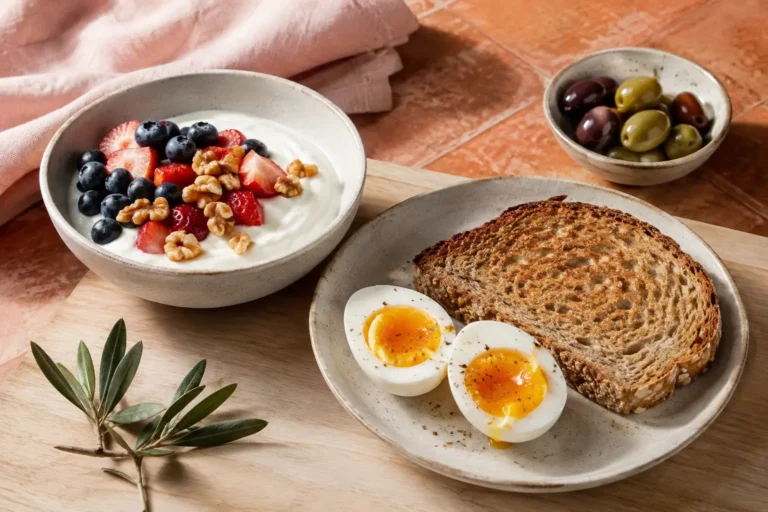
What’s better supported is the effect of protein at breakfast. A protein-rich breakfast, around 25 to 30 grams, keeps blood sugar steadier through the morning. It also keeps appetite more in check.
Breakfast is often where the first two mistakes show up together. Cereal, juice, toast, or a big bowl of oats with little protein checks both boxes at once. It’s low on pairing and high on carb portion. Our guide to a Mediterranean breakfast for PCOS has ideas for building a better one.
Portion Patterns That Still Spike Blood Sugar
Pairing protein and fiber with your carbs helps. But it doesn’t cancel out a carb portion that’s simply too large. A well-paired plate with an oversized helping of rice or pasta can still spike your blood sugar. Portion size matters just as much as the type of carb. That’s really what “glycemic load” means in plain terms: not just what you eat, but how much of it.
One small study followed women with PCOS on a lower-glycemic way of eating. They ovulated more consistently than women on a standard diet, alongside improvements in insulin resistance. It’s an early finding from a small study, not a guarantee. But it lines up with what we already know about blood sugar and PCOS.
Treating Wine as a Free Pass
Wine is part of the Mediterranean diet’s reputation, but that doesn’t make it a free daily habit if you have PCOS. Alcohol interferes with how your liver manages blood sugar, and it can make insulin resistance worse over time. It’s also linked with higher androgen levels and more inflammation, on top of asking your liver to prioritize processing alcohol over clearing excess hormones.
You may have heard that the polyphenols in red wine support insulin sensitivity in PCOS. The studies behind that claim use doses of 800 milligrams or more a day. That’s far more than what’s in a glass of wine, so it’s not a reason to treat wine as beneficial on its own.
If you enjoy wine, an occasional glass is unlikely to undo your progress. The mistake is treating it as an everyday inclusion just because the Mediterranean diet allows it.
What to Do Instead
Fixing these mistakes doesn’t require a stricter diet. It just means building meals a little differently.
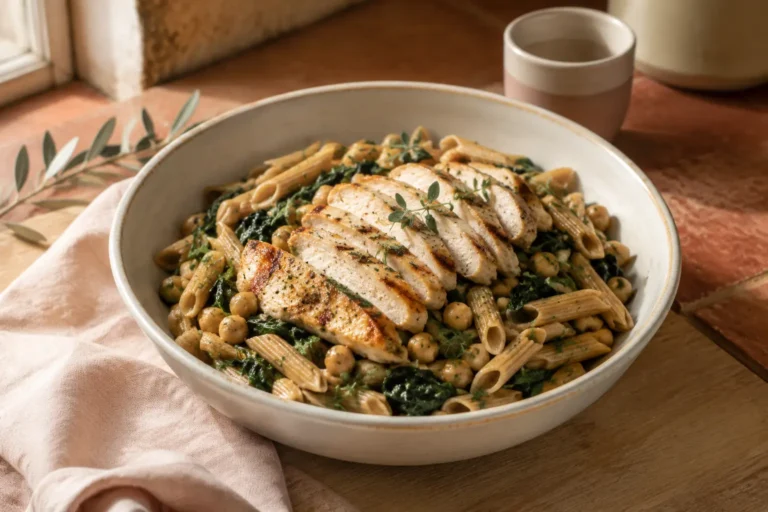
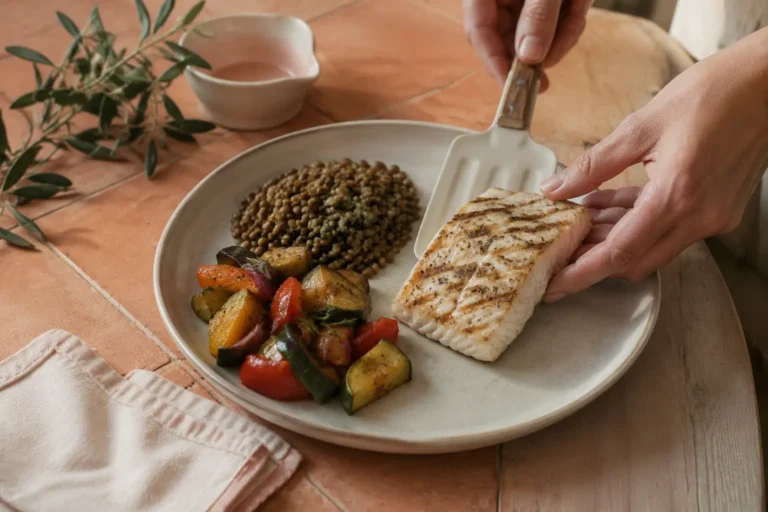
I usually tell clients to build the plate first, then add carbs. Start with a source of protein about the size of your palm. Add plenty of vegetables and a fiber source like beans or lentils. Then add a fist-sized portion of a carb, like bread, rice, or pasta. Finish with a tablespoon or two of olive oil for cooking or drizzling, and keep nuts to a small handful if you’re adding them too.
For fish, aim for two to three meals a week built around salmon, sardines, mackerel, or trout. For breakfast, look for something with 25 to 30 grams of protein. Eggs, Greek yogurt, or a protein-rich smoothie all work better than cereal or toast alone. Our posts on Greek yogurt for PCOS and chickpeas for PCOS have practical ways to add protein and fiber to meals you’re probably already eating. If wine is part of your routine, treat it as an occasional choice rather than a daily one.
A Few Things Worth Knowing
How much of a difference these changes make can vary a lot from person to person. PCOS looks different from one woman to the next. Insulin resistance can be more or less pronounced depending on your individual presentation and your weight.
The 2023 international guideline on PCOS is clear on one point. No single diet has been shown to work better than another for hormones, weight, or fertility. What matters most is a sustainable pattern of eating that fits your life. That’s exactly what the Mediterranean diet is built to offer. It’s also worth knowing that eating well can support your health even before the scale moves. Don’t judge these changes by weight loss alone.
It’s also worth being careful not to swing too far the other way. Some research suggests very low-fat eating patterns can lower reproductive hormones like estrogen and progesterone. Cutting fat drastically to avoid the mistakes above isn’t the goal. Portion awareness with olive oil, nuts, and fish is about balance, not elimination. The same applies to cutting calories — crash diets tend to make PCOS harder to manage, not easier.
If you’re deciding between eating approaches, Mediterranean diet vs. low-carb for PCOS breaks down how the two compare. For the bigger picture on why this pattern works so well, see PCOS weight loss: why the Mediterranean diet works so well. You can also browse Mediterranean foods that support PCOS.
F.A.Q.
Eating carbs without pairing them with protein or fiber is probably the most common one. It’s an easy habit to fall into, since bread, pasta, and fruit all fit the Mediterranean pattern. Eating them alone still spikes blood sugar.
It’s often one or two of the mistakes covered above. Carb portions that are still too large, unmeasured olive oil and nuts, or a breakfast that’s low in protein are common culprits, rather than the diet itself not working.
Two to three servings a week of fatty fish, like salmon, sardines, or mackerel, is a good target for getting enough omega-3s.
It can. Rushing or skipping breakfast is one of the more common mistakes people make with PCOS. Making breakfast a real meal with protein instead is one of the more useful timing changes.
Occasionally, yes. Wine’s polyphenols don’t provide the PCOS benefits sometimes claimed, since the research uses much higher doses than a glass contains. An everyday habit is the mistake, not an occasional glass.
It varies by person, partly because PCOS and insulin resistance look different from woman to woman. Give consistent changes at least a few months before judging whether they’re working. Benefits like better energy and steadier blood sugar often show up before weight changes do.

Nour is a registered dietitian, nutrition researcher, and founder of MedDietMindset. With a passion for evidence-based nutrition, she specializes in Mediterranean diet strategies, PCOS management, and sustainable weight loss. Nour is dedicated to transforming complex scientific research into clear, actionable guidance to support healthier, long-lasting lifestyle changes. Through her blog, she empowers readers to build habits that prioritize well-being, balance, and vitality.