Table of Contents
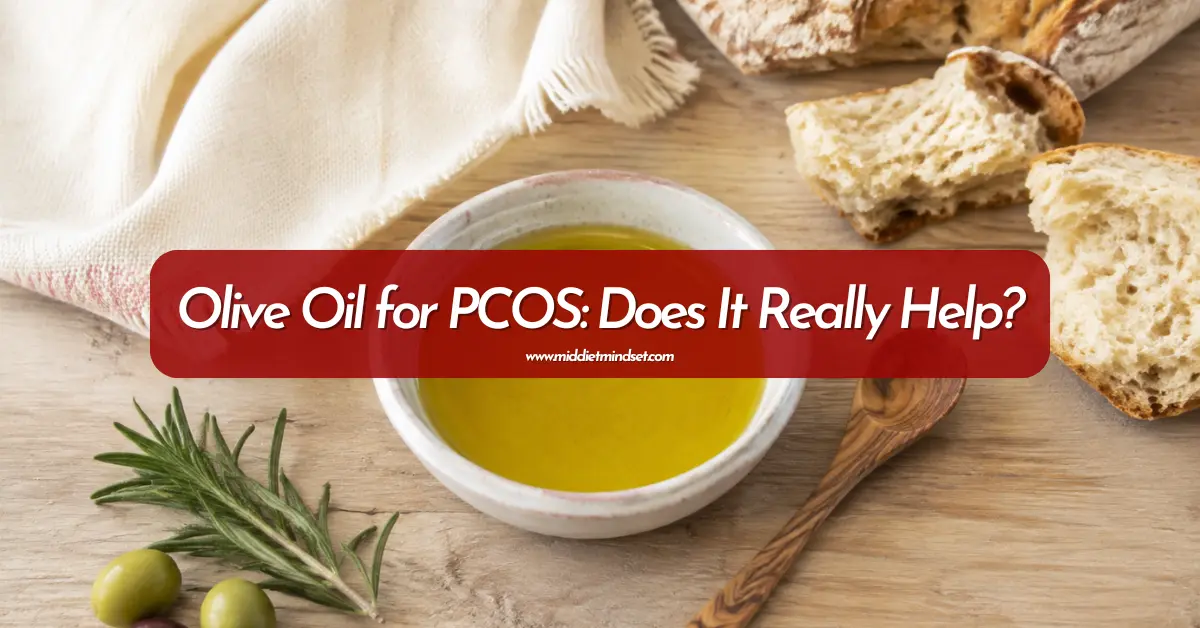
ToggleYes, olive oil for PCOS can genuinely make a difference — mainly by lowering the kind of ongoing inflammation that plays a role in the condition, and to a smaller extent by supporting how your body responds to insulin. It isn’t a stand-alone fix, and its effect on insulin resistance specifically is more modest than a lot of headlines suggest. Used regularly and in the right amount, though, olive oil is one of the more evidence-backed swaps you can make in an otherwise ordinary diet.
This is one piece of a bigger picture covered in our guide to the Mediterranean diet for PCOS, where the overall eating pattern matters more than any single food. If you’re just starting to look at how food connects to PCOS symptoms in general, our Mediterranean diet and health conditions overview is a good place to start.
How Olive Oil Affects Inflammation in PCOS
Inflammation is one of the quieter drivers of PCOS, known officially as PMOS since 2026. It doesn’t cause symptoms you can feel directly, but ongoing, low-level inflammation is linked to insulin resistance, irregular cycles, and how the body stores fat — which is part of why it matters here.
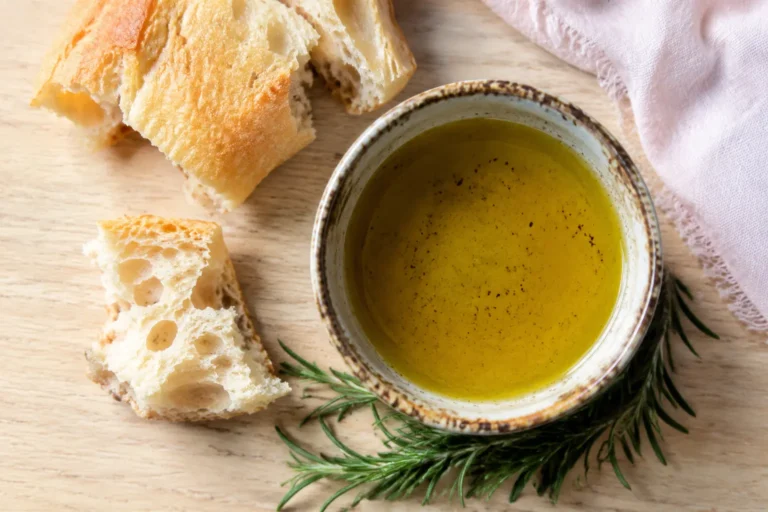
This is also where olive oil has its strongest evidence. People who regularly use olive oil see a real drop in markers connected to ongoing inflammation, and this pattern shows up consistently across dozens of studies. It’s one of the more reliable reasons to reach for olive oil for PCOS specifically, rather than just as a general “healthy fat.”
The compounds responsible are polyphenols — natural plant compounds that act like a built-in antioxidant system. You don’t need to know their names to benefit from them, but you do need to know they’re mostly found in one type of olive oil, which matters for the recommendation below.
What Olive Oil Does (and Doesn't Do) for Insulin Resistance
Insulin resistance shows up in a large share of women with PCOS, and it’s often the piece that makes weight management and blood sugar feel like an uphill climb. The main fat in olive oil helps your cells respond to insulin more effectively, which is why it’s often recommended for anyone managing insulin resistance.
Here’s the more honest part: the largest look at the research so far — pulling together dozens of trials and thousands of participants — found that olive oil on its own doesn’t move insulin resistance as consistently as you’d hope. How much you use and how long you use it for seemed to matter more than simply adding it to your plate. Some smaller studies found real improvements, especially with extra virgin olive oil specifically, but the bigger picture is “modest and inconsistent” rather than “guaranteed.”
There’s also a data point more specific to PCOS: women with PCOS who used olive oil instead of a more processed cooking oil saw better cholesterol numbers and less fat buildup in the liver — both of which tend to move in the same direction as insulin resistance. That’s a meaningful, PCOS-specific reason to make the swap, even if it isn’t a guaranteed fix for insulin numbers on its own.
The Connection Between Olive Oil, Insulin, and Hormones
Hormone symptoms in PCOS — irregular cycles, acne, extra hair growth — are often downstream of insulin. When insulin runs high, it can push the ovaries to produce more testosterone than usual, and it lowers a protein in the blood that normally keeps testosterone in check. That’s part of why insulin resistance and hormone symptoms tend to show up together in PCOS.
Olive oil doesn’t rebalance hormones directly. Its role is a supporting piece — through inflammation, and to a smaller degree through insulin — of a pattern that, over time, can ease some of the downstream hormone effects. That’s a more accurate way to think about it than expecting a specific food to “fix” hormones on its own.
How Much Olive Oil Should You Use, and Which Kind
The type of olive oil you use matters more here than most people realize. Extra virgin olive oil keeps far more of the beneficial compounds than regular or “light” olive oil, which loses most of them during processing. If you’re buying olive oil specifically for these benefits, extra virgin is the one to reach for.
As for how much: about 1.5 tablespoons a day is the amount the FDA points to as enough to make a difference, especially when it’s replacing less helpful fats rather than adding on top of them. One of the largest Mediterranean diet studies, PREDIMED, had participants use closer to 4 tablespoons a day, which shows there’s room to use more if it fits naturally into how you already cook and eat.
In everyday life, that can look like:
- Using olive oil as your main cooking fat instead of butter or vegetable oil
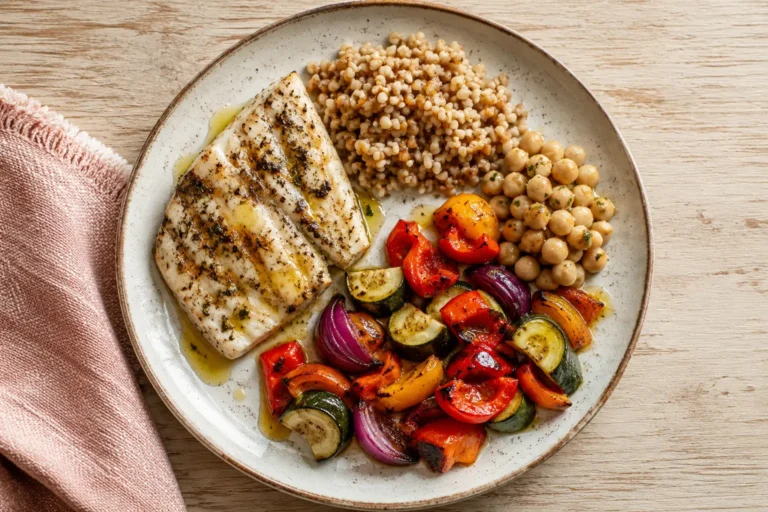
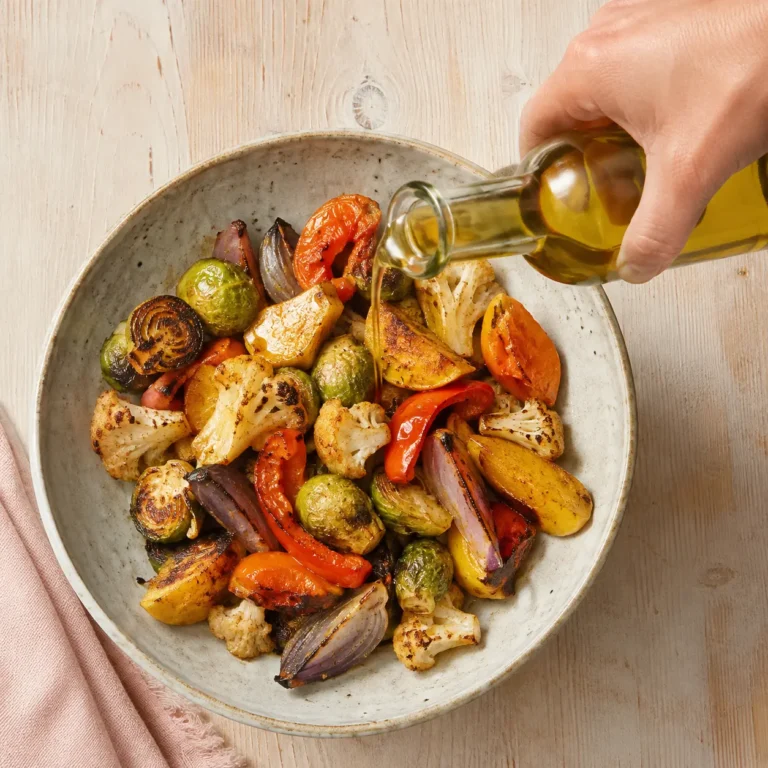
- Drizzling it over vegetables, hummus, or a finished bowl of pasta or grains
- Making a simple vinaigrette with olive oil, lemon, and herbs for salads
- Dipping bread in olive oil instead of spreading butter
You don’t need to measure it out perfectly every day. What matters more is that it becomes your default fat over weeks and months, not a one-time addition.
Olive Oil Isn't a Fix on Its Own
It’s worth saying plainly: olive oil for PCOS works best as part of the overall Mediterranean way of eating — alongside vegetables, beans, whole grains, and fish — not as a stand-alone supplement you add to an otherwise unchanged diet. PCOS is influenced by a lot of things beyond any one food, including genetics, weight, sleep, and stress, and no single ingredient is going to override all of that.
The goal isn’t to treat olive oil as a miracle addition. It’s to let it replace less helpful fats you’re already using, as one piece of a pattern that supports insulin sensitivity and lower inflammation over time.
If you want to see how olive oil fits alongside other PCOS-friendly choices, Best Diet for PCOS Weight Loss: Mediterranean Foods covers the fuller list, and PCOS Weight Loss: Why the Mediterranean Diet Works So Well explains why the overall pattern tends to outperform single-food changes.
F.A.Q.
It can help to some degree, but the effect is modest and inconsistent across research, especially compared to how strong the evidence is for inflammation. It works better as part of an overall eating pattern than as a stand-alone fix for insulin resistance.
About 1.5 tablespoons a day is a realistic starting point. Some research uses higher amounts, closer to 4 tablespoons a day, but building up to a consistent daily amount matters more than hitting an exact number.
Yes. Extra virgin olive oil retains far more of the beneficial plant compounds than regular or refined olive oil, which loses most of them during processing. It’s the version worth choosing if you’re using olive oil for PCOS specifically.
Indirectly. Olive oil isn’t a weight-loss food on its own, but using it in place of less helpful fats, alongside a Mediterranean-style pattern of eating, supports the kind of steady, sustainable changes that make weight management with PCOS more manageable.
Not directly. Its main effects are on inflammation and, to a smaller extent, insulin — both of which are connected to the hormone symptoms many people with PCOS experience. Think of it as supporting the underlying pattern rather than changing hormones on its own.

Nour is a registered dietitian, nutrition researcher, and founder of MedDietMindset. With a passion for evidence-based nutrition, she specializes in Mediterranean diet strategies, PCOS management, and sustainable weight loss. Nour is dedicated to transforming complex scientific research into clear, actionable guidance to support healthier, long-lasting lifestyle changes. Through her blog, she empowers readers to build habits that prioritize well-being, balance, and vitality.