Table of Contents
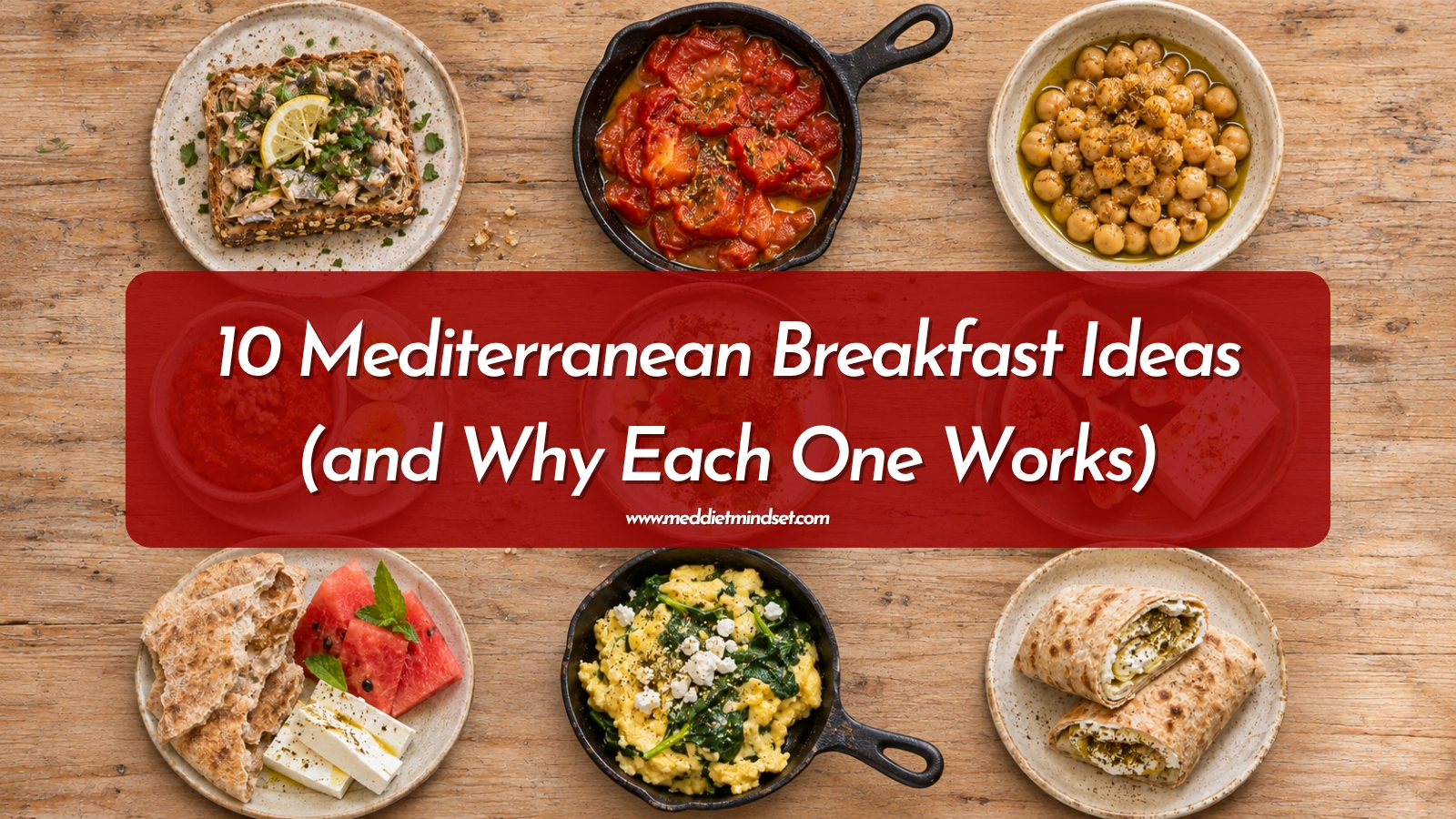
ToggleA good Mediterranean breakfast pairs a protein with a fiber-rich carb, plus vegetables or fruit and a little healthy fat. These 10 Mediterranean breakfast ideas all follow that pattern. Each one is built around a different main food, from eggs and oats to sardines and figs. There’s nothing to measure and no recipe to follow.
| # | Breakfast | Main food |
|---|---|---|
| 1 | Savory yogurt bowl with cucumber and za’atar | Greek yogurt |
| 2 | Sardines on whole-grain toast | Sardines |
| 3 | Muhammara with a boiled egg | Walnuts |
| 4 | Zeit and za’atar with a vegetable plate | Olive oil |
| 5 | Whole-grain pita with white cheese | Whole-grain bread |
| 6 | Figs with white cheese and toast | Figs |
| 7 | Eggs with spinach and feta | Eggs |
| 8 | Oats with apple and tahini | Oats |
| 9 | Balila (warm chickpeas) | Chickpeas |
| 10 | Galayet bandora (tomatoes in olive oil) | Tomatoes |
How to Use These Mediterranean Breakfast Ideas
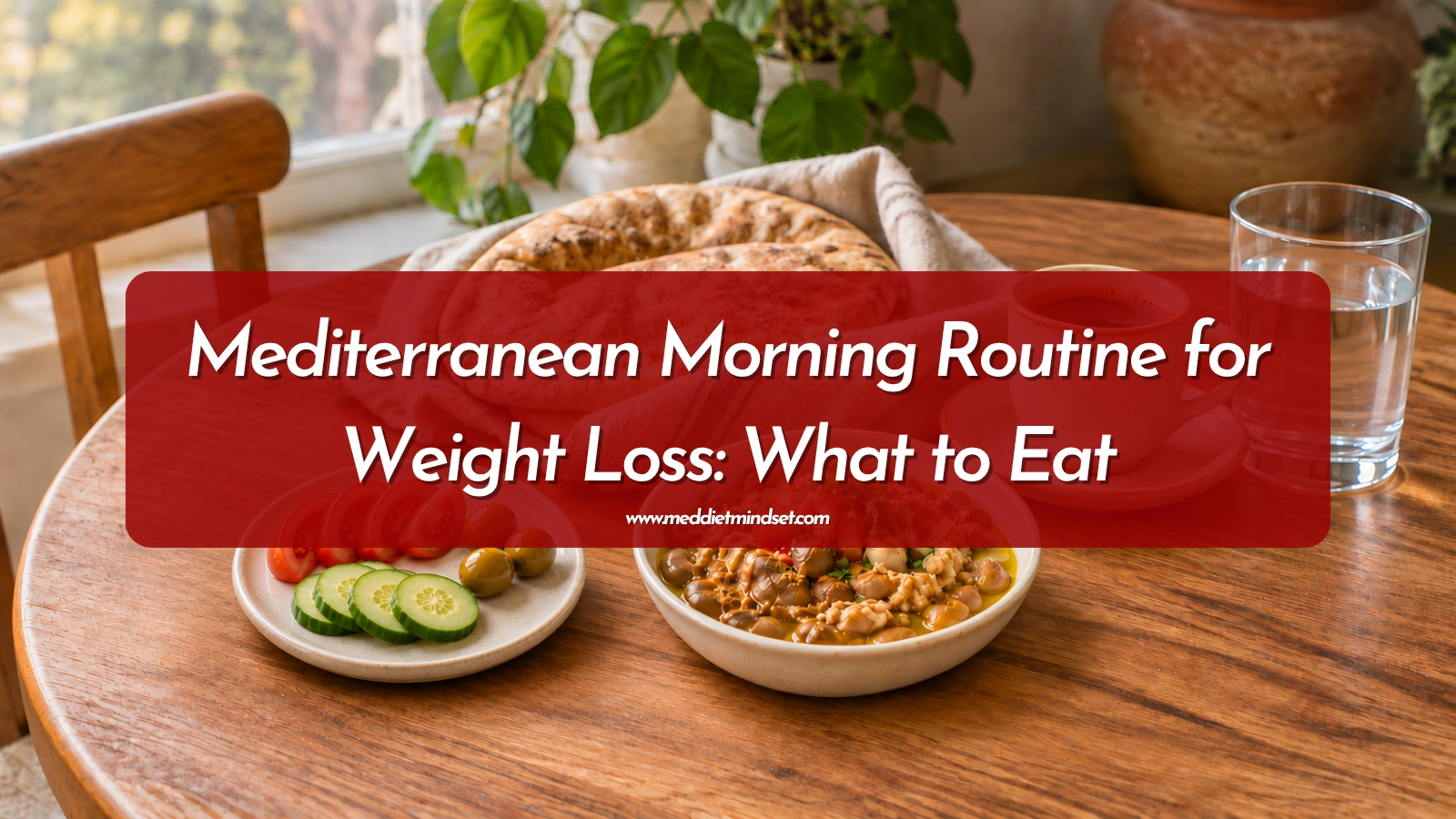
Each breakfast below has the same four parts: a protein, a fiber-rich carb, vegetables or fruit, and some healthy fat. If you’d rather build your own, the Mediterranean morning routine walks you through the method.
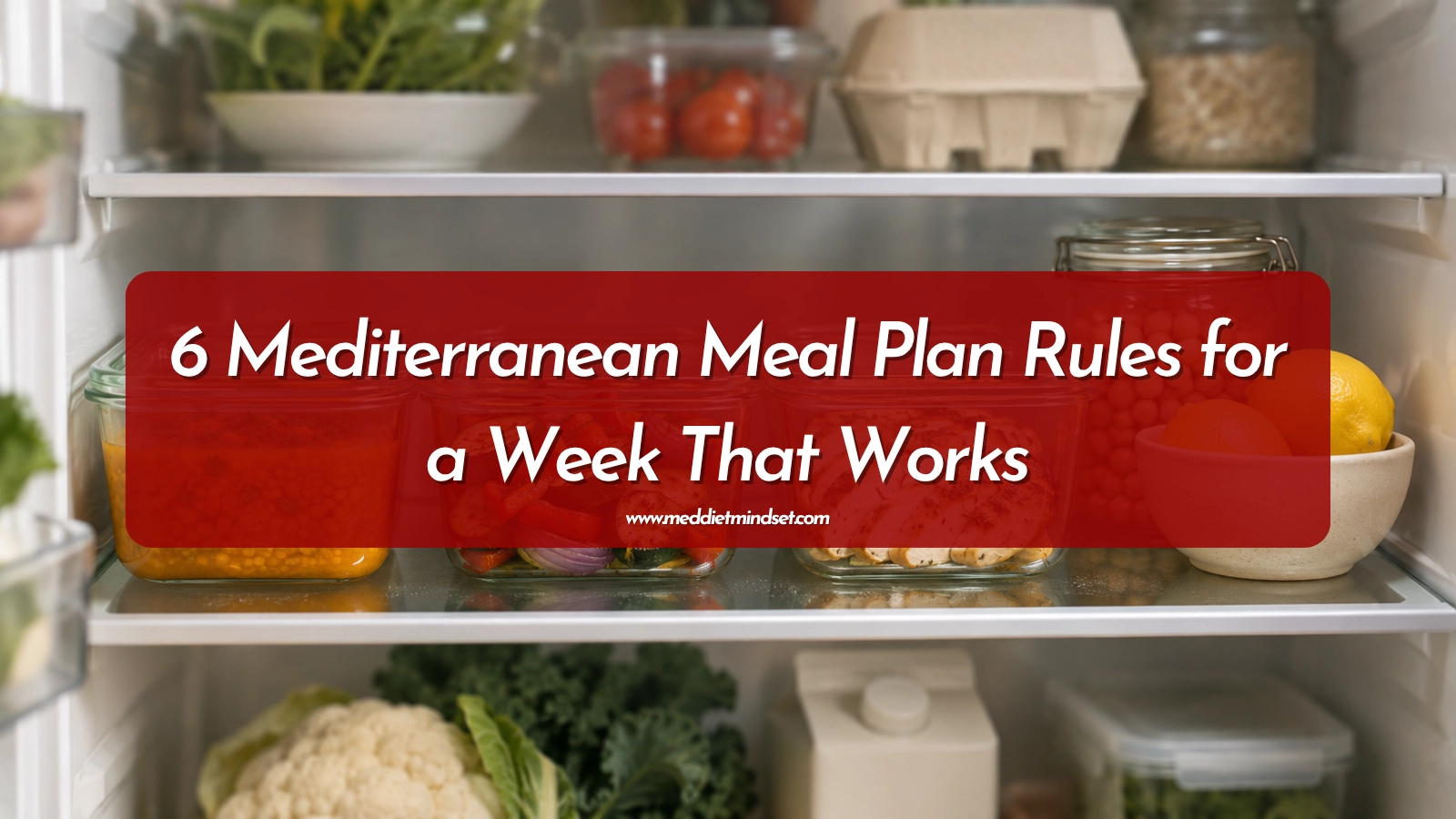
You don’t need ten different breakfasts in a week. Pick two or three Mediterranean breakfast ideas you enjoy and rotate them. For help fitting them around lunch and dinner, see these Mediterranean meal plan rules.
If you have PCOS, there’s a separate guide to building a Mediterranean breakfast for PCOS.
Quick Mediterranean Breakfast Ideas (No Cooking)
These six Mediterranean breakfast ideas need nothing more than a knife and a plate on the morning itself. A couple of them use something made ahead, which is noted where it applies.
1. Savory Yogurt Bowl
Greek yogurt topped with chopped cucumber, tomato and fresh mint. Finish it with olive oil and a pinch of za’atar (a thyme and sesame blend), and scoop it up with whole-grain pita.
Yogurt is the main food here. People who eat yogurt regularly tend to have a lower risk of type 2 diabetes. Other dairy foods didn’t show the same link. This comes from following people’s eating habits over many years, so it’s a link rather than proof. It’s still a good reason to make yogurt a regular part of your week.
Why it works for breakfast: Greek yogurt is high in protein, and the vegetables add crunch and fiber. That makes it a proper meal rather than a snack.
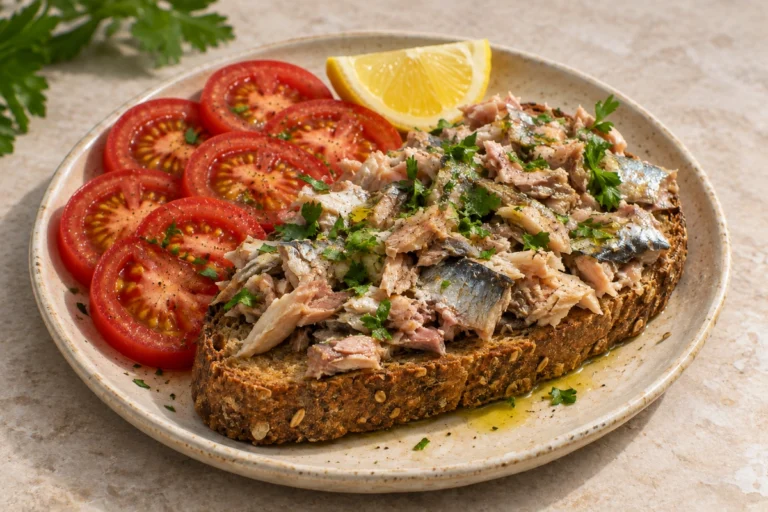
2. Sardines on Whole-Grain Toast
Canned sardines, mashed with lemon and chopped parsley, on whole-grain toast. Add sliced tomato on the side.
Sardines are an oily fish, rich in omega-3 fats. Eating fish like this once or twice a week is linked with a lower risk of heart disease and stroke. The link is strongest when fish replaces less healthy foods. Sardine toast at breakfast can be one of those weekly fish meals. Here’s more on eating more fish the Mediterranean way.
Why it works for breakfast: fish brings protein and some fat, and canned sardines need no cooking at all.
3. Muhammara With a Boiled Egg
Muhammara is a dip made from roasted red peppers and walnuts. Spread it on whole-grain bread, and add a boiled egg and sliced cucumber. Make the dip ahead or buy it ready-made, and boil the egg the night before.
Walnuts are the main food here. People who eat nuts regularly, about a small handful most days, have lower rates of heart disease and are less likely to die early. A spread of muhammara won’t get you all the way there. It’s a tasty way to get part of the way.
Why it works for breakfast: the egg brings protein and the walnuts bring healthy fat. Together they make a savory breakfast that holds you until lunch.
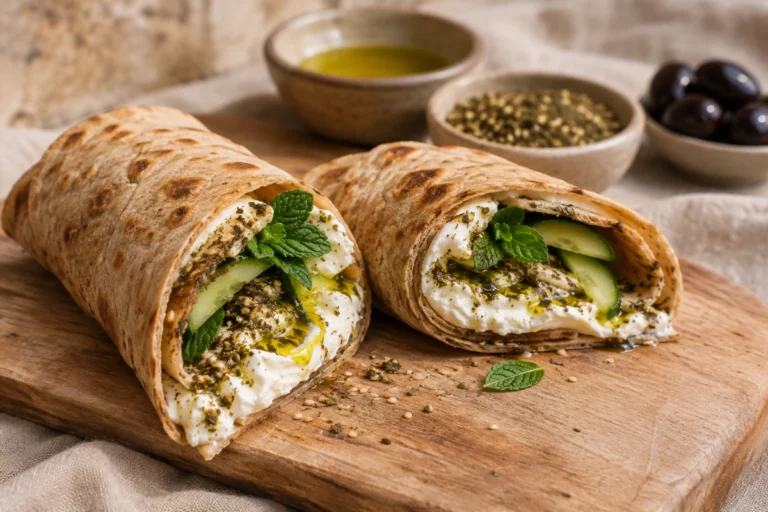
4. Zeit and Za’atar
Zeit and za’atar simply means “oil and za’atar.” Spread whole-grain flatbread with labneh (strained yogurt). Drizzle it with olive oil, sprinkle on za’atar and roll it up. Add tomato, cucumber, olives and fresh mint inside or on the side.
Olive oil is the main food here. People who use olive oil every day, even about half a tablespoon, are less likely to die early, including from heart disease. They also tended to be more active and eat more vegetables. The link held even after those habits were taken into account. Dipping your bread in olive oil is an easy way to have some every day.
Why it works for breakfast: the labneh brings protein, and the bread and olive oil make it satisfying. Rolled up, it’s easy to take with you.
5. Whole-Grain Pita With White Cheese and Watermelon
Whole-grain pita with white cheese, such as akkawi or feta, and slices of cold watermelon with fresh mint. Salty cheese with sweet watermelon is a classic summer pairing across the Levant. Out of watermelon season, use grilled halloumi with sliced tomato instead. That version needs a pan.
Whole-grain bread is the main food here. People who eat more whole grains have lower rates of heart disease, type 2 diabetes and bowel cancer. When you buy pita, check that the first ingredient is a whole grain, such as whole-wheat flour.
Why it works for breakfast: whole grains tend to leave you more satisfied than white bread, and the cheese brings protein.
6. Figs With White Cheese
Sliced fresh figs, or a few dried ones out of season, with white cheese and whole-grain toast. The sweet and salty mix is a classic around the Mediterranean.
Figs are the main food here, and they bring fiber and natural sweetness. Research on figs themselves is still at an early stage. What it does show is that people who eat figs and other dried fruit tend to have better diets overall. Dried figs are sweeter and more concentrated than fresh ones, so a few is plenty.
Why it works for breakfast: it’s a sweet breakfast with no added sugar, and the cheese makes it more than fruit and bread.
Warm Mediterranean Breakfast Ideas
These four Mediterranean breakfast ideas need the stove on the morning itself. They’re worth it on days when you want something warm.
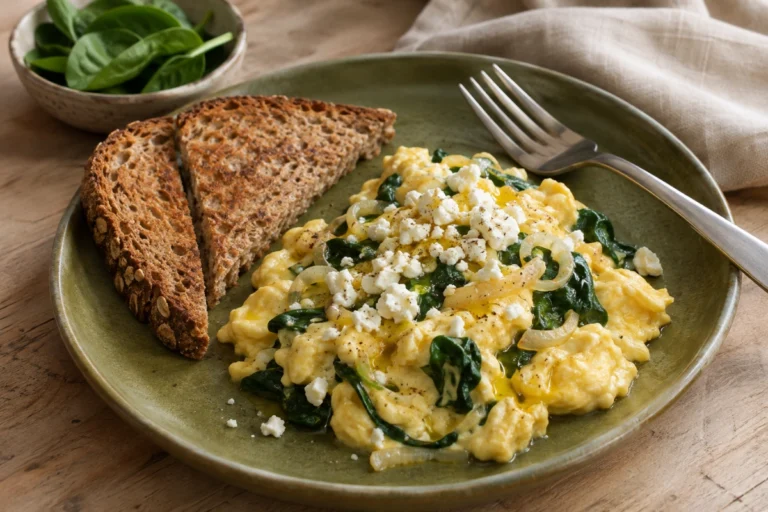
7. Eggs With Spinach and Feta
Eggs scrambled with spinach and onion in olive oil, finished with crumbled feta. Serve them with whole-grain toast.
Eggs are the main food here. They’re one of the richest food sources of choline. Your brain and nervous system need choline for memory, mood and muscle control. Most people in the US get less choline than they need, so eggs at breakfast are an easy way to close part of that gap.
Why it works for breakfast: eggs are quick protein, and protein keeps you fuller in the hours after eating. The spinach adds vegetables with no extra effort.
8. Oats With Apple and Tahini
Oats cooked in milk, topped with grated apple, a pinch of cinnamon and a drizzle of tahini (sesame paste).
The main food here is oats. They contain a type of fiber called beta-glucan, which brings LDL (“bad”) cholesterol down a little. The effect is modest, and it comes from eating oats regularly rather than from one bowl.
Why it works for breakfast: cooked oatmeal kept people fuller for longer than a boxed oat cereal with the same calories. The milk and tahini add protein and fat.
9. Balila (Warm Chickpeas)
Balila is warm chickpeas with cumin, lemon, garlic and olive oil. Eat it from a bowl with bread, and add cucumber and tomato on the side.
Chickpeas are the main food here. Adding beans or chickpeas to meals led to a small drop in weight, even in diets that weren’t designed for weight loss. The effect is small. Still, it came from adding a food, not from cutting anything out.
Why it works for breakfast: chickpeas bring protein and fiber together, so a bowl of balila holds you well into the late morning.
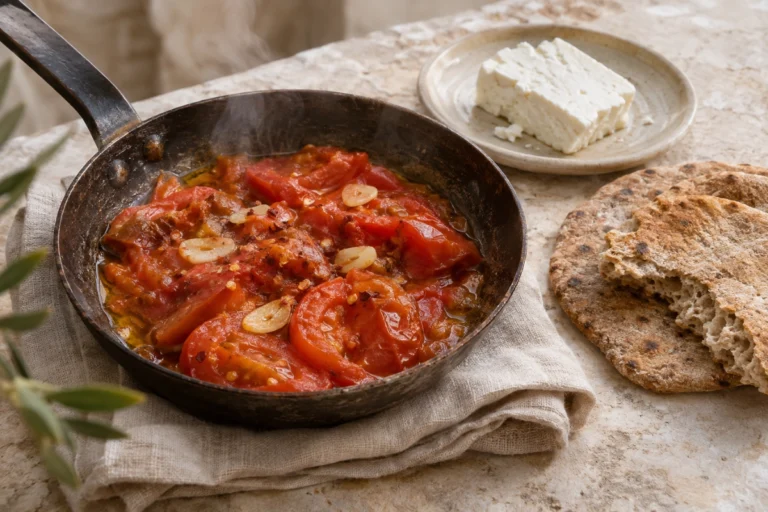
10. Galayet Bandora
Galayet bandora is tomatoes cooked down in olive oil with garlic and a little chili. In Jordan, where I live, it’s a common breakfast, scooped up with bread and served with white cheese.
Tomatoes are the main food here, and cooking them in olive oil matters. Your body takes in more lycopene, the red pigment in tomatoes, when they’re cooked with olive oil. That shows more lycopene reaching your body. On its own, it doesn’t show that this protects against disease.
Why it works for breakfast: with cheese for protein and bread for scooping, a few tomatoes become a warm, filling meal.
Related Strategies
- Morning routine for weight loss: how to build your own breakfast from four simple parts, plus the morning habits around it.
- Mediterranean meal plan rules: how to fit these breakfasts into a week alongside lunch and dinner.
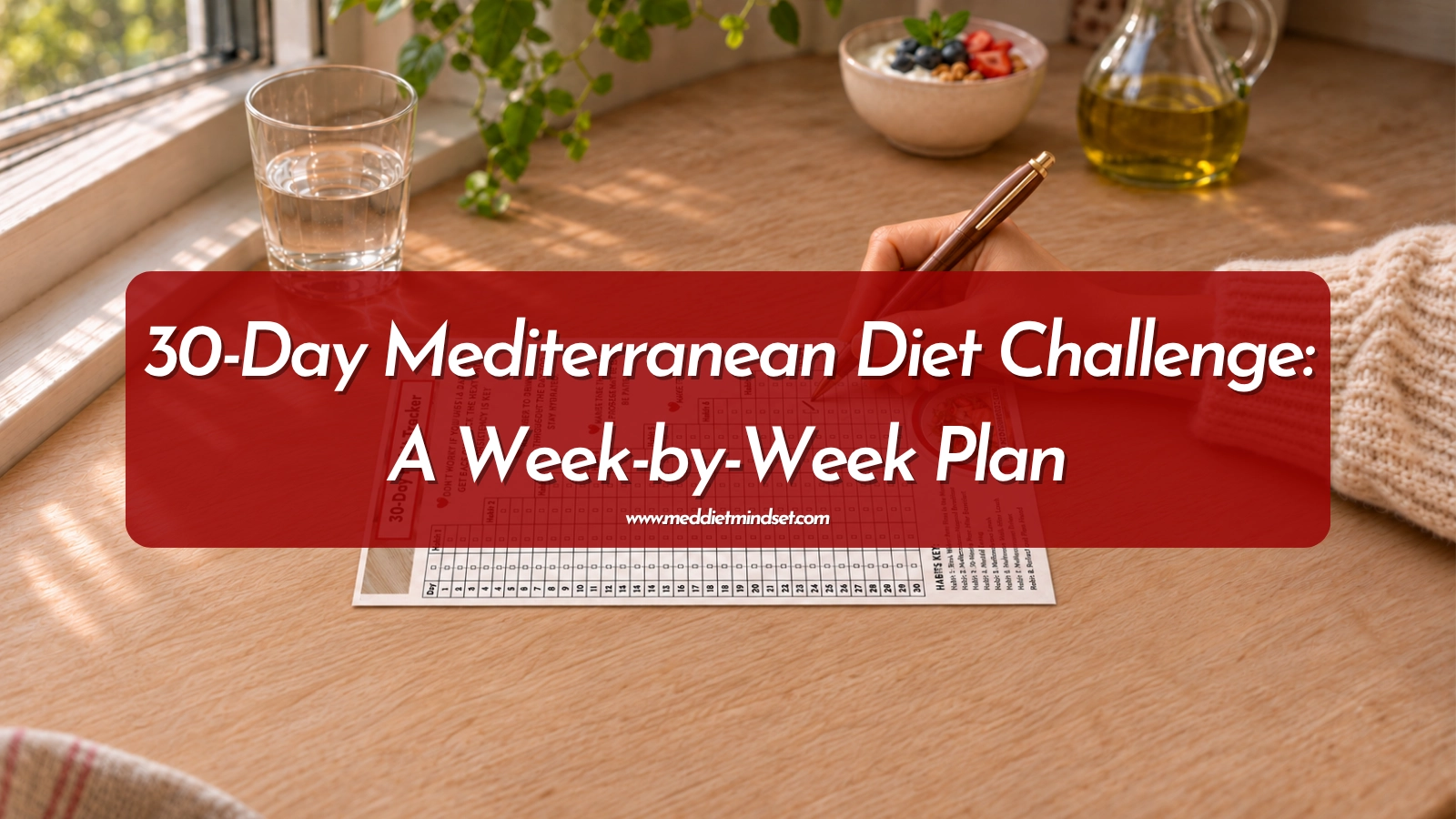
- 30-day Mediterranean diet challenge: eight small habits over four weeks, starting with breakfast in Week 1.
F.A.Q.
Usually something quick and light. Across the Mediterranean, savory foods and vegetables are a normal part of breakfast, not just sweet ones. Bread, cheese, olives, eggs, yogurt and fresh vegetables are all common. Every one of these Mediterranean diet breakfast ideas fits that pattern.
They can be part of it, but no breakfast causes weight loss on its own. In short trials, people asked to eat breakfast ate more over the whole day, not less. If you don’t usually eat breakfast, use these Mediterranean breakfast ideas for your first meal instead. Your eating pattern across the week matters far more. Here’s more on how the Mediterranean diet supports weight loss.
Yes. Three of these Mediterranean breakfast ideas lean sweet: oats with apple and tahini, figs with white cheese, and pita with white cheese and watermelon. Let the sweetness come from fruit, and add a protein such as yogurt, cheese or milk so it lasts.
Yes. Canned foods are what make several of these Mediterranean breakfast ideas quick. Drain and rinse canned chickpeas before using them, since that washes away a good share of the salt.