Table of Contents
ToggleThe Mediterranean diet and depression connection has been making waves lately — and it’s easy to see why. Around the world, depression affects more than 300 million people, touching every age, gender, and background. It can drain energy, steal motivation, and make even simple things feel hard. While therapy and medication remain essential for many, researchers have started asking an interesting question: could food also play a role in how we feel?
More and more evidence says yes. What we put on our plates may have just as much power to shape our mood as it does our waistline. Studies now show that eating patterns rich in wholesome, anti-inflammatory foods can boost energy, improve focus, and even ease feelings of sadness or anxiety. And among all diets studied, the Mediterranean diet stands out as one of the most powerful for emotional well-being.
This way of eating isn’t about restriction or counting calories — it’s about balance, color, and flavor. Think olive oil, fish, nuts, lentils, vegetables, and whole grains. Together, they nourish the brain, calm inflammation, and support stable blood sugar — all important for better mood and mental clarity. It’s no wonder that scientists keep linking the Mediterranean diet and depression improvement in study after study.
What’s especially exciting is how consistent the results are. Whether it’s adults with diagnosed depression or kids and teens facing emotional stress, people who eat Mediterranean-style tend to experience fewer mood swings, more stable energy, and greater resilience to stress. It’s a lifestyle that feeds both the body and the mind — literally.
The beauty of the Mediterranean diet and mental health connection lies in its simplicity. You don’t need supplements or extreme plans. You just eat real food — meals built around plants, healthy fats, and fresh ingredients — and enjoy them slowly, often in good company. Over time, that combination can lift mood, sharpen thinking, and reduce the risk of depression.
In this article, you’ll explore five science-backed facts about how the Mediterranean diet supports mental health. Each one is based on recent research and offers practical takeaways you can use to start feeling calmer, clearer, and more energized — one meal at a time.
Fact #1 – The Mediterranean Diet Can Significantly Reduce Depressive Symptoms
The idea that food can shape your mood isn’t just a feel-good trend — it’s something science is starting to prove. In fact, a 2023 systematic review and meta-analysis published in the American Journal of Clinical Nutrition looked at five randomized controlled trials (RCTs) involving more than 1,500 adults diagnosed with depression. Researchers found that those who followed a Mediterranean diet experienced significant reductions in depressive symptoms compared to those who stayed on their regular diets. This large-scale analysis added strong evidence to the growing research linking the Mediterranean diet and depression improvement in clinical populations.
Clinical Evidence in Adults
Most of the participants were young or middle-aged adults dealing with mild to major depression. When they switched to a Mediterranean-style eating plan — rich in olive oil, whole grains, fruits, vegetables, nuts, legumes, and fish — their mood scores improved noticeably. In simple terms, they felt better, more stable, and more energized. The difference was strong enough that researchers called it a clinically meaningful improvement — showing that the connection between the Mediterranean diet and depression is far from coincidence and may play a real role in supporting mental health.
Reinforcing Evidence from Major Trials
These findings were echoed in another comprehensive review. This review highlighted well-known clinical trials like the SMILES trial and the HELFIMED trial, which both tested how dietary changes affect people living with clinical depression. In the SMILES study, participants who received guidance from dietitians and adopted a Mediterranean-style diet saw remission rates of 32%, compared to just 8% in the control group who received social support but no dietary intervention. Similarly, in the HELFIMED study, those following the Mediterranean diet — supported with fish oil and nutrition education — reported sustained mood improvement and better Mediterranean diet mental health scores for up to six months.
Long-Term Benefits and Biological Mechanisms
What’s even more encouraging is that these benefits lasted long after the studies ended. Participants who continued eating Mediterranean-style maintained their improved mood and energy, suggesting that adopting this pattern can bring lasting changes to mental health. This adds more evidence that the Mediterranean diet and depression benefits extend beyond short-term improvements — they may help protect emotional stability in the long run.
So why does it work?
- The Mediterranean diet is packed with omega-3 fatty acids, B-vitamins like folate, magnesium, and antioxidants, which help balance neurotransmitters such as serotonin and dopamine — two key players in emotional well-being.
- Its strong anti-inflammatory effects help calm the body’s stress and immune responses, which are both linked to depression.
- And because it stabilizes blood sugar levels, it helps prevent energy dips and irritability that can worsen mood.
Fact #2 – Your Gut and Brain Communicate Through Food
Have you ever had “butterflies” in your stomach before a big event? That’s your gut and brain talking — literally. It turns out that the connection between your digestive system and your mood runs far deeper than most people realize. In fact, researchers often call the gut our second brain because it constantly sends messages that can shape how we feel, think, and even handle stress.
This idea sits right at the heart of the Mediterranean diet and depression connection. According to a recent scientific review, what we eat can actually change the bacteria living in our gut — and those changes can directly influence our mental health.
How Gut Health Shapes Mood
The review explained that when the gut microbiome is well-balanced, it produces compounds that support a positive mood, like short-chain fatty acids (SCFAs) and serotonin, the famous “feel-good” chemical. But when we eat too many processed foods, refined sugars, or unhealthy fats — typical of the Western diet — that balance is disrupted. The result? More inflammation, less serotonin production, and a higher risk of feeling anxious or depressed.
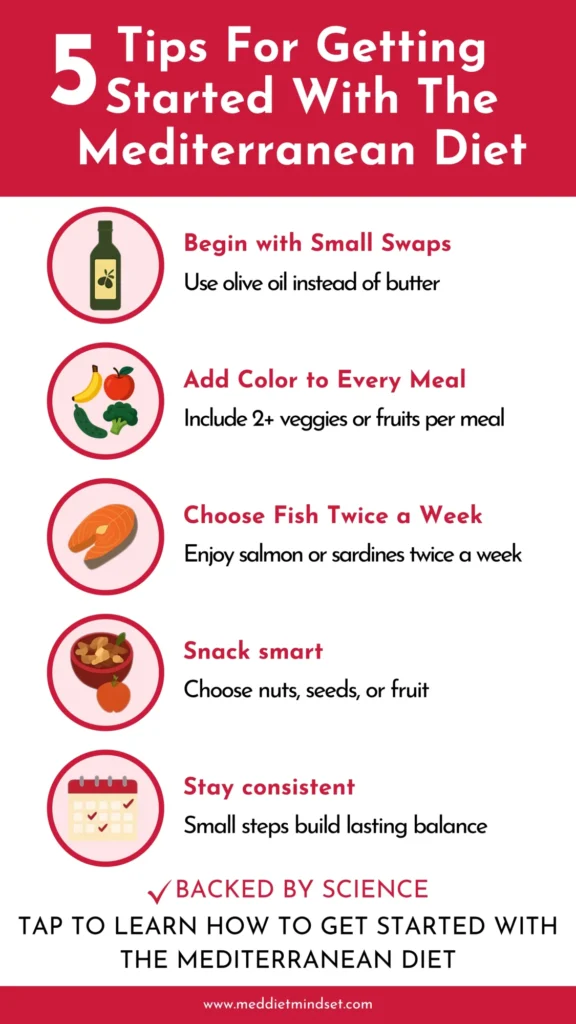
That’s where the Mediterranean diet comes in. The study found that eating plenty of fiber-rich plant foods, olive oil, fish, nuts, legumes, and fermented foods helps the good bacteria thrive. These bacteria, in turn, communicate with the brain through the gut-brain axis, influencing mood, motivation, and stress resilience — a key mechanism behind both the Mediterranean diet and depression link and the broader Mediterranean diet mental health benefits.
The Three Key Biological Pathways
The authors of the review pointed out three key ways this happens:
- Tryptophan metabolism: Healthy gut bacteria help the body convert tryptophan (an amino acid found in foods like fish, eggs, and chickpeas) into serotonin — a natural mood booster.
- Stress response regulation: Mediterranean-style diets rich in antioxidants and healthy fats calm chronic stress and lower cortisol levels through better control of the HPA axis, the body’s stress system.
- Microbial diversity: People who follow the Mediterranean way of eating tend to have more Bifidobacteria and Lactobacillus — friendly microbes linked to better emotional balance and lower inflammation.
Why Gut Balance Matters for Mental Health
These findings line up perfectly with another major review. Which highlighted that one of the main reasons the Mediterranean diet and depression relationship is so strong is because this eating pattern directly improves gut health. When your gut is in balance, your brain gets the nutrients and signals it needs to function smoothly — improving concentration, energy, and emotional stability.
In plain terms: when you feed your gut, you feed your mind. The same foods that support digestion also support happiness and emotional resilience. The growing body of research on the Mediterranean diet mental health connection makes it clear that gut health is one of the most important pathways linking nutrition and mood.
Fact #3 – The Mediterranean Diet Supports Mental Health in Children and Teens
Depression isn’t just something adults go through. Kids and teens today face more emotional pressure than ever — from school stress and social media to sleep problems and processed food-heavy diets. And while no single meal can solve it all, research shows that what children eat truly affects how they think, feel, and cope.
A recent systematic review published in 2022 looked at 13 studies involving more than 3,000 children and adolescents. The results were eye-opening. Kids and teens who followed a Mediterranean diet had fewer symptoms of depression, anxiety, and attention problems compared to those who didn’t. This growing body of evidence strengthens the Mediterranean diet and depression link — showing that the earlier healthy eating habits begin, the greater the long-term mental benefits.
The Evidence from Research
In fact, the review found that 80% of the depression-focused studies showed a clear protective link between following the Mediterranean diet and having better emotional health. In other words, young people who ate Mediterranean-style — more fruits, vegetables, whole grains, and fish, and fewer sugary snacks — were less likely to experience depressive symptoms.
Researchers concluded that this way of eating could help prevent early mental health issues before they even start, reinforcing the strong relationship between the Mediterranean diet and mental health in youth. These findings provide a compelling reason for families and schools to encourage healthier eating habits early in life.
Why Nutrition Matters During Development
So why does this matter so much? Because the brain is still developing through childhood and adolescence. The foods emphasized in the Mediterranean diet — omega-3 fats from fish, B vitamins from leafy greens, and antioxidants from fruits and nuts — help build strong brain cells, support learning and memory, and reduce inflammation that can impact mood.
They also help stabilize blood sugar, which can prevent the mood swings and crashes often caused by processed snacks and sugary drinks. These biological effects provide a foundation for the Mediterranean diet and depression research showing improved mood regulation and emotional control in young people.
Building Healthy Habits at Home
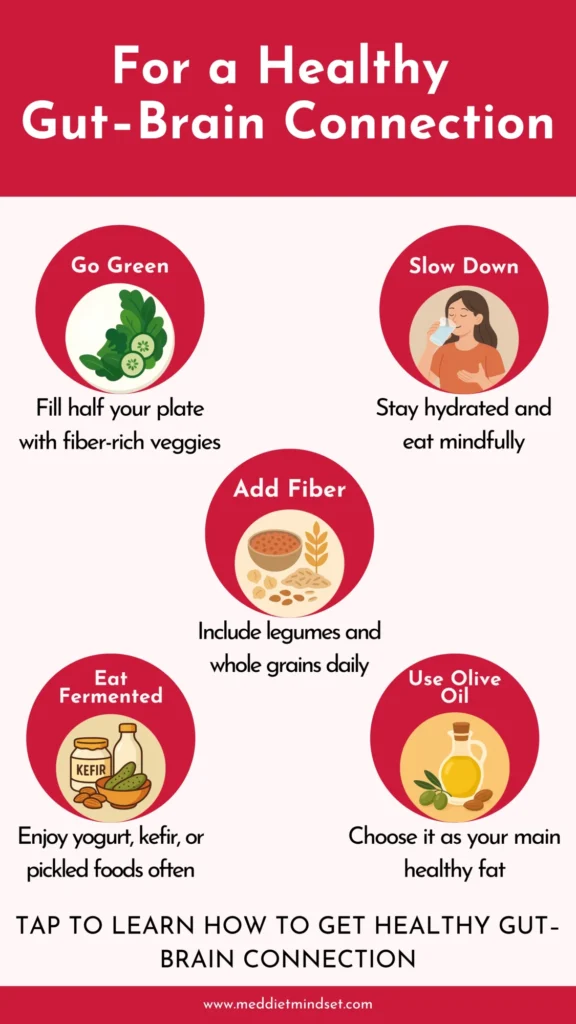
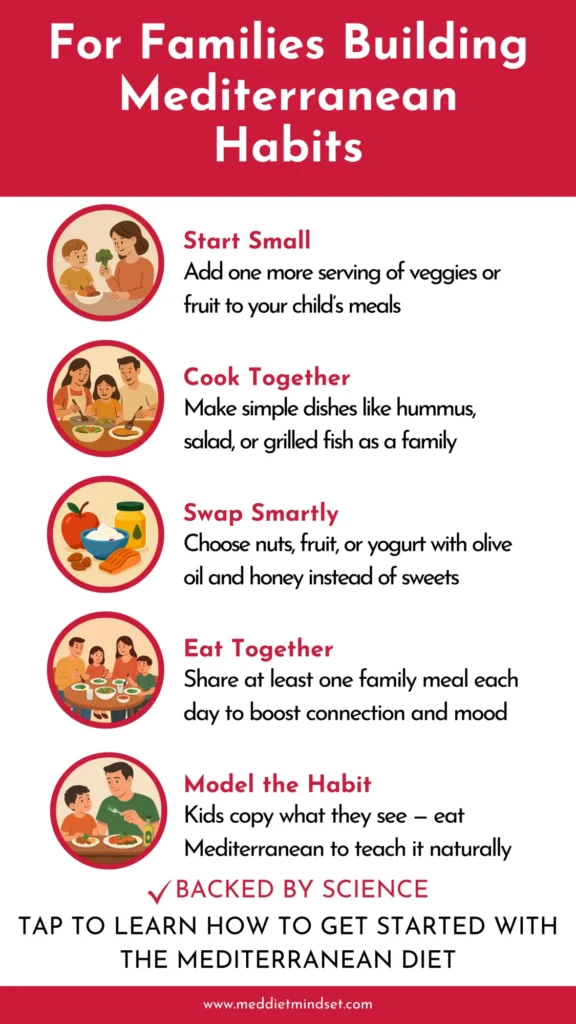
The beauty of this finding is how practical it is. Families that naturally eat the Mediterranean way — with home-cooked meals, olive oil instead of butter, fresh produce, and shared family dinners — aren’t just eating better; they’re building emotional stability.
These routines create structure, connection, and calm — all major protective factors for mental health during growing years. Real-world studies suggest that children who regularly share Mediterranean-style meals with their families tend to show greater emotional resilience, stronger focus, and fewer behavioral problems.
That’s a powerful reminder that even small, consistent changes in the kitchen can shape a child’s long-term emotional balance. The evidence behind the Mediterranean diet and mental health connection in children makes one thing clear: food habits formed early can strengthen both mood and family connection.
Fact #4 – The Mediterranean Diet Benefits Pregnant Women and New Mothers
Depression during and after pregnancy — often called prenatal or postpartum depression — is more common than most people think. Millions of women experience mood changes, exhaustion, or deep sadness during this time. And while hormones play a big role, new research shows that diet can also make a meaningful difference.
A recent review examined nine studies focused on pregnant women aged 18 to 50. Six of those studies found that women who followed a Mediterranean diet or a Mediterranean-like diet had lower levels of depression during pregnancy compared to those who didn’t. The review concluded that higher adherence to this eating style — one rich in olive oil, vegetables, fish, legumes, and whole grains — might protect against prenatal depressive symptoms and strengthen the overall Mediterranean diet and depression link.
Evidence from Prenatal and Postpartum Studies
These findings were supported by a massive meta-analysis involving more than 700,000 participants. This study looked at fish and omega-3 fatty acid intake and found that women who regularly consumed omega-3-rich foods — like salmon, sardines, and walnuts — were up to 16% less likely to experience postpartum depression.
That’s a remarkable finding considering how widespread mood challenges can be after childbirth and how significant Mediterranean diet mental health benefits can be for new mothers. Together, these studies reinforce that the Mediterranean diet and depression connection applies not only to the general population but also to expecting and new mothers navigating major emotional and physical changes.
How the Mediterranean Diet Supports Emotional Balance
So how exactly does the Mediterranean diet and depression link work during pregnancy?
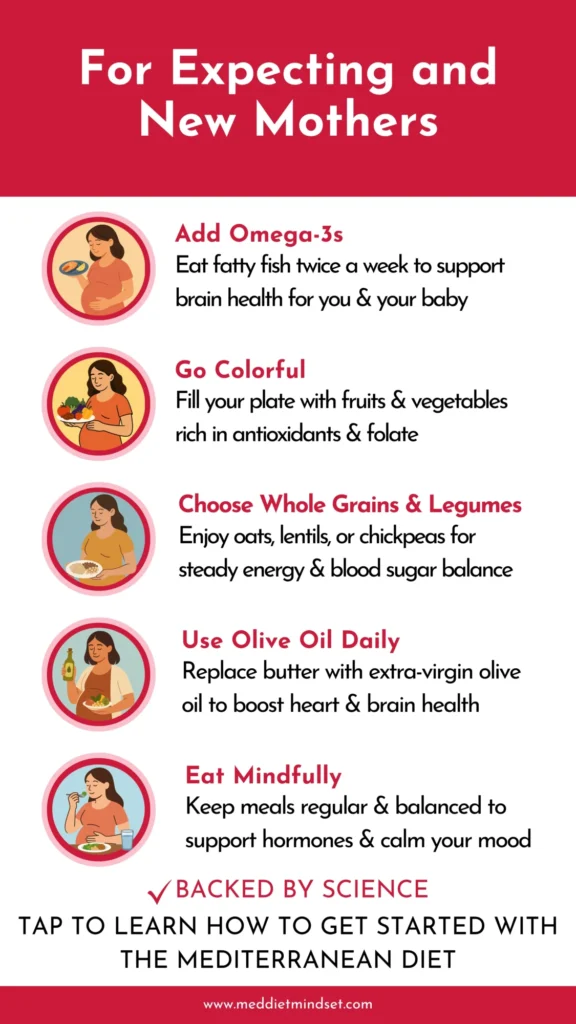
- Healthy fats for the brain: Omega-3 fatty acids from fish and nuts help the brain build new cells and regulate mood-related chemicals, supporting both mom’s mental health and the baby’s brain development.
- Nutrients that calm inflammation: Antioxidants and folate from fruits and leafy greens help reduce inflammation and oxidative stress — two factors often tied to depression.
- Steady energy levels: Whole grains and legumes help stabilize blood sugar, preventing the energy dips that can worsen fatigue and low mood.
The authors of both studies emphasized that diet alone isn’t a cure for depression — but it’s a powerful piece of the puzzle. The Mediterranean way of eating works best as a complementary strategy alongside other forms of care like therapy, rest, and social support. What makes it so effective is that it supports overall well-being — from hormonal balance and inflammation control to better sleep and emotional stability.
The broader Mediterranean diet and depression research shows that these dietary habits can reduce the risk of perinatal mood disorders while also supporting lifelong Mediterranean diet mental health for mothers and their children.
Long-Term Benefits for Mothers and Babies
When women nourish their bodies well during pregnancy and after, they’re not only protecting their own mood — they’re setting up long-term benefits for their baby, too. Researchers from both studies noted that healthy eating patterns like the Mediterranean diet can positively influence the baby’s brain development and future emotional health.
This dual benefit — supporting both the mother’s emotional stability and the child’s mental development — makes the Mediterranean diet and depression connection especially powerful for families.
Fact #5 – The Mediterranean Diet Works Like “Therapy on a Plate”
While no diet can replace therapy or medication, growing evidence shows that the way we eat can work alongside treatment — amplifying its benefits and helping us feel better from the inside out. The connection between the Mediterranean diet and depression continues to gain scientific support as researchers uncover how nutrition can directly influence the brain, mood, and emotional balance.
How the Mediterranean Diet Enhances Mental Resilience
A 2025 review published in the Australian & New Zealand Journal of Psychiatry found that food-based approaches, especially the Mediterranean diet, can play a major role in both preventing and treating depression.
The researchers described how diet influences mood through several powerful biological pathways — from reducing inflammation to improving gut health and even boosting the brain’s ability to grow and adapt.
These processes help explain why the Mediterranean diet and depression relationship is one of the strongest in nutrition science today. By stabilizing internal systems, this eating pattern supports the body’s ability to manage stress, process emotions, and recover more efficiently.
The Biological Pathways Behind the Benefits
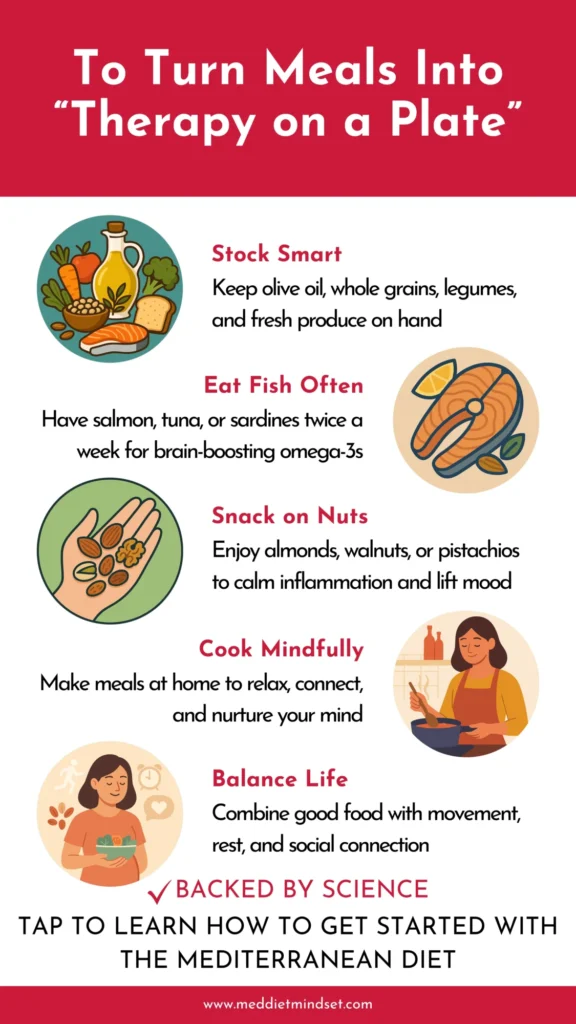
In simpler terms, the review showed that eating the Mediterranean way — with olive oil, nuts, fish, fruits, vegetables, and whole grains — helps the body stay in balance. It supports healthy gut bacteria, keeps inflammation under control, reduces oxidative stress (which damages brain cells), and helps regulate stress hormones.
Together, these changes support what scientists call mental resilience — the ability to recover from stress, sadness, or anxiety more easily. That’s a core benefit behind many Mediterranean diet mental health findings and one reason why this diet is often described as food-based therapy.
Working With Professionals for Lasting Results
The review also highlighted that people get the best results when they work with professionals. When dietitians or mental health clinicians help someone build healthy eating habits, the outcomes are stronger and longer-lasting compared to self-guided efforts. That’s why experts now view diet as a key part of holistic mental health care — right alongside counseling, mindfulness, and medication.
These findings line up with another major piece of research. This review analyzed multiple randomized trials and found that people who consistently followed a Mediterranean-style diet not only experienced fewer depressive symptoms but also reported feeling calmer, more focused, and more satisfied with life. Their emotional stability improved, and their overall quality of life rose.
Together, these studies reinforce that the Mediterranean diet and depression link is backed by consistent, high-quality evidence across different populations and age groups.
Food can be more than fuel — it can be a powerful ally in emotional healing. The Mediterranean diet and depression connection is now one of the best-documented examples of how lifestyle choices can support the brain’s chemistry and structure.
By focusing on real, nourishing foods, you’re giving your body what it needs to stabilize mood, reduce stress, and protect your Mediterranean diet mental health long-term.
Food for Thought (and Happiness)
When you look at all the research, one thing becomes clear: the connection between the Mediterranean diet and depression is more than coincidence — it’s a hopeful reminder that the way we eat can truly shape how we feel. Across different ages and lifestyles, people who follow this eating pattern consistently report better mood, fewer depressive symptoms, and a stronger sense of overall well-being.
What makes this so powerful is that it’s not just about nutrients or brain chemistry — it’s about lifestyle. The Mediterranean diet’s mental health benefits come from the full picture: sitting down for real meals, sharing food with others, slowing down, and enjoying what’s on your plate. It’s about creating balance, not perfection — and that balance is what helps explain why the Mediterranean diet and depression relationship continues to show such positive, lasting effects.
The truth is, food won’t cure depression — but it can make a real difference. The growing body of Mediterranean diet and depression studies shows that every small step toward this way of eating helps build resilience, balance mood, and support recovery. Whether you’re trying to manage your mental health, bounce back from burnout, or simply feel better each day, embracing a Mediterranean-style approach is one of the most sustainable and enjoyable ways to care for both your body and your mind.
Ultimately, the Mediterranean diet’s mental health connection reminds us that nourishing food, meaningful connection, and mindful living work hand in hand — and that healing the mind often starts with what we put on our plates.
F.A.Q.
The Mediterranean diet and depression connection has been widely studied, and the results are promising. This diet helps reduce depressive symptoms through several science-backed mechanisms. It lowers inflammation — a key biological factor linked to depression — and supports a healthy gut microbiome, which plays a major role in serotonin production.
The Mediterranean way of eating also provides essential nutrients like omega-3 fatty acids from fish, folate from leafy greens, and magnesium from nuts and legumes — all of which help regulate neurotransmitters such as serotonin and dopamine. These chemicals influence mood, focus, and emotional stability. Over time, this nutrient-rich pattern enhances both physical and mental health, making it one of the most effective dietary strategies for supporting Mediterranean diet mental health outcomes naturally.
While the Mediterranean diet and depression research shows significant benefits, it’s important to understand that diet alone is not a replacement for professional treatment. Instead, it acts as a powerful complement to therapy and medication.
Studies such as the SMILES and HELFIMED trials found that participants who followed a Mediterranean-style diet alongside their regular depression treatments achieved higher remission rates and reported better quality of life. In other words, adopting this lifestyle can enhance the effects of antidepressants and improve long-term Mediterranean diet mental health outcomes.
Think of it as a holistic approach — therapy and medication work on the mind, while the Mediterranean diet nourishes the brain and body. Together, they create a more stable foundation for emotional healing, energy, and resilience.
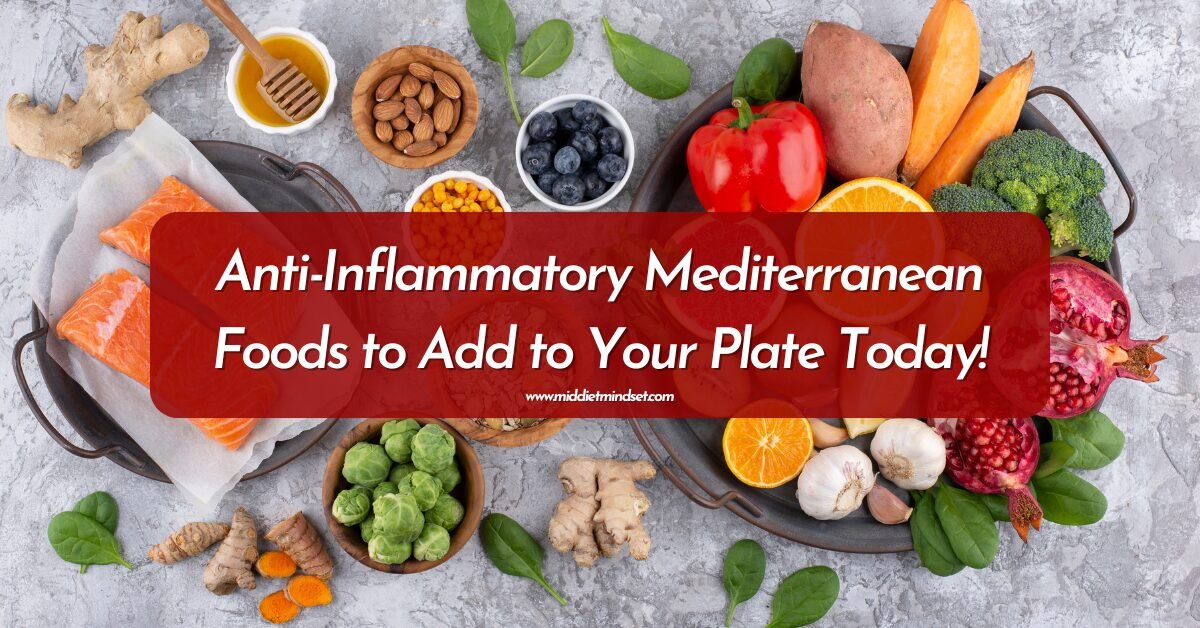
When it comes to the Mediterranean diet and depression, certain foods stand out for their brain-boosting benefits:
Olive oil: Packed with monounsaturated fats and polyphenols that protect brain cells from oxidative stress and support long-term cognitive health.
Fatty fish (salmon, sardines, tuna): Rich in omega-3 fatty acids that regulate mood, reduce inflammation, and improve overall emotional balance.
Nuts, seeds, and lentils: Provide magnesium and plant-based proteins that help sustain energy, promote calmness, and reduce fatigue.
Leafy greens (spinach, kale, arugula): Excellent sources of folate and antioxidants — nutrients linked to a lower risk of depression and improved focus.
Bright-colored fruits (berries, oranges, pomegranates): Contain polyphenols that enhance blood flow to the brain and protect against cognitive decline.
Incorporating these foods daily supports Mediterranean diet mental health by nourishing the brain, balancing hormones, and improving mood regulation. The more consistently these foods are included, the stronger their impact on both short-term mood and long-term Mediterranean diet and depression prevention.

Nour is a registered dietitian, nutrition researcher, and founder of MedDietMindset. With a passion for evidence-based nutrition, she specializes in Mediterranean diet strategies, PCOS management, and sustainable weight loss. Nour is dedicated to transforming complex scientific research into clear, actionable guidance to support healthier, long-lasting lifestyle changes. Through her blog, she empowers readers to build habits that prioritize well-being, balance, and vitality.